



Blog
It usually starts with a budget meeting, not with a machine. A production team knows capacity needs are changing, a line planner has already listed bottlenecks, and purchasing is asked a simple question that turns out to be anything but simple: should the next SMT machine be new, or should the company buy used equipment and keep more cash available for feeders, spare parts, or process upgrades?
That decision can become stressful quickly in semiconductor component manufacturing, where even a “good enough” machine choice can create long-term tradeoffs. A lower upfront cost may look attractive until maintenance interruptions begin to affect scheduling. A new machine may promise stability, but the investment can feel heavy if output forecasts are still uncertain. Many teams get stuck because they compare price first and only later realize they should have compared uptime expectations, placement needs, software compatibility, and support access.
The most practical way to decide between used vs new SMT machines is not to ask which option is better in general. The better question is which option matches your current production reality without creating avoidable risk six months from now. Once that shift happens, the decision usually becomes clearer.
Where the confusion usually begins
A common mistake is treating SMT equipment as a single purchase instead of part of a line system. On paper, a used pick and place machine may appear to save budget immediately. But if the machine requires uncommon feeders, has limited documentation, or does not fit smoothly with printers, conveyors, inspection units, or existing programming routines, the lower acquisition cost can hide extra effort everywhere else.
The opposite mistake happens too. Some teams assume a new machine is automatically the safer investment because it should be easier to maintain and integrate. In reality, that is only true if the machine’s capabilities match actual product mix and throughput requirements. Buying more machine than the process needs can lock budget into capacity that sits idle, while more urgent needs such as original machine spare parts, feeder inventory, or line balancing remain underfunded.
For semiconductor component assembly, this matters even more because the decision is rarely isolated. Accuracy expectations, traceability habits, changeover frequency, and available technical staff all affect whether a used or new SMT machine is practical.
Price is only one line in the real budget
When comparing used and new SMT machines, the first number everyone sees is the purchase price. It is important, but it is not the operating budget. A more useful comparison includes at least four ongoing cost areas: maintenance effort, spare part access, downtime exposure, and process adjustment time.
Used SMT machines often make sense when the machine model is well known, spare parts remain obtainable, and in-house engineers are comfortable with the platform. In that situation, a lower upfront cost can free budget for feeder sets, nozzle replacement, board handling modules, or even a second critical process station. That flexibility can be more valuable than owning the newest hardware.
But a used machine becomes expensive in a different way if every fault requires extended troubleshooting, if original parts are difficult to source, or if the machine software creates friction with the rest of the line. The machine may not be “bad,” yet the total effort around it keeps growing.
New SMT machines usually reduce uncertainty. Documentation tends to be easier to access, support paths are clearer, and compatibility planning is often more straightforward. The tradeoff is that more capital is tied up immediately, so the purchase has to be justified not just by preference, but by actual production need.
Questions that make the choice easier
Instead of asking whether used equipment is risky or new equipment is worth the money, it helps to walk through the decision from the production floor backward.
How stable is your product mix?
If your line runs a relatively stable set of assemblies with predictable component types and established programs, a used SMT machine can be a very reasonable fit. Stability reduces the chances that you will discover a capability gap after installation.
If your mix changes often, with frequent new introductions or varying board complexity, a new machine may be easier to justify because line flexibility becomes part of the real value, not just a feature on paper.
How much downtime can you realistically absorb?
Many buyers say they can tolerate some downtime, but the true answer depends on staffing, delivery commitments, and whether there is another line that can absorb overflow. If one machine interruption immediately creates a backlog, the hidden cost of uncertainty is much higher. In that case, the argument for new equipment becomes stronger, or at least the evaluation of used equipment must be much stricter.
Who will maintain it?
This is one of the most overlooked points. A used SMT machine can be a smart purchase when the technical team already knows the platform, understands common wear points, and can obtain the right spare parts without delay. Without that internal familiarity, even minor faults can become recurring disruptions.
New equipment is not maintenance-free, of course, but the learning curve is often more manageable if support channels and machine documentation are in place from the start.
Will it fit the rest of the line?
SMT and THT assembly equipment decisions are rarely independent. Board transfer height, communication protocol, programming flow, feeder commonality, and operator habits all influence whether a machine adds value or friction. A machine that works well alone but poorly in the line is not really a good purchase.
That is why some teams find it helpful to evaluate the machine as part of a complete PCB assembly line solution rather than as a standalone asset. Sometimes the right answer is not simply “used” or “new,” but “which choice creates fewer compromises across the whole process.”
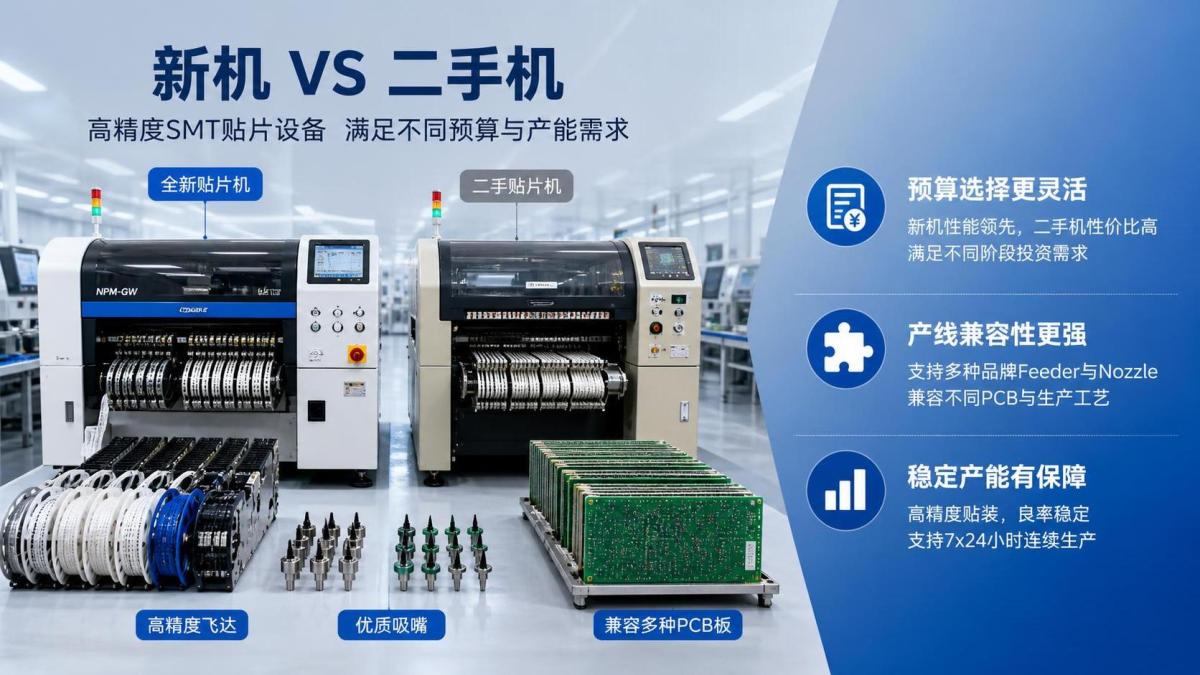
When used SMT machines are often the better fit
Used equipment is often chosen for sensible reasons, not only for cost cutting. It can be the right move when a company needs to expand capacity carefully, add redundancy to an existing line, or support a specific process step without committing too much capital before demand patterns become clearer.
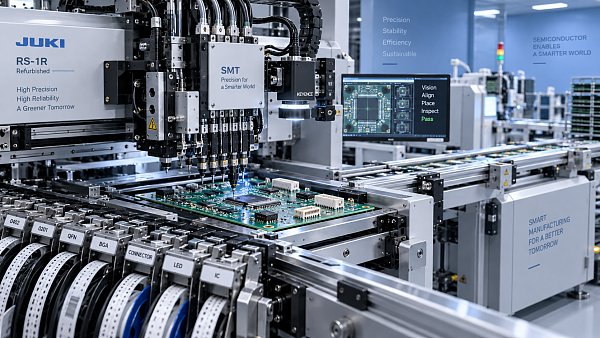
It is also a practical option when the target machine model has a known service history in the market and parts support is still realistic. In those conditions, the machine’s age matters less than its maintainability and suitability for the work.
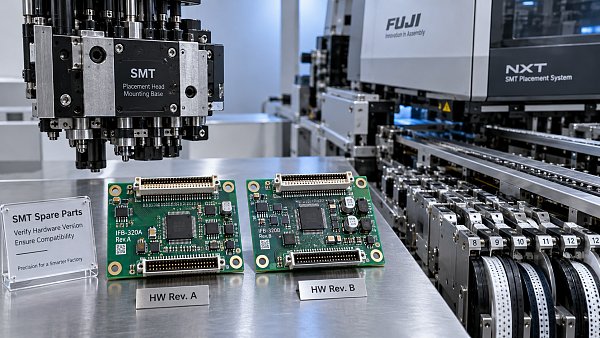
A used machine tends to make more sense if you can answer yes to several practical questions: do your engineers know the platform, do you have access to original machine spare parts, does the machine support the component range you actually place, and can it be integrated without extensive workarounds? If those answers are weak, the low entry cost becomes less convincing.
There is also a timing advantage. Some production plans require capacity sooner than a full new-machine sourcing cycle comfortably allows. In that situation, a properly evaluated used SMT machine may align better with the operational schedule.
When a new machine usually earns its place
New SMT machines are often the better choice when uncertainty itself is expensive. If the line supports sensitive production schedules, if process capability margins are narrow, or if the organization does not want to rely on older equipment knowledge, the predictability of new equipment may justify the cost.
Another strong case for buying new appears when the business is shaping its next few years of manufacturing rather than only solving a near-term gap. If future product direction points toward more complex assemblies, faster changeovers, or tighter integration across the line, a new machine can reduce the need for later replacement.
There is also a staffing angle. Some operations do not have the bench strength to troubleshoot older systems efficiently. In those environments, the “cheaper” machine can consume more management attention than expected. A new machine may cost more at purchase but require fewer operational compromises.
Where buyers often misjudge the risk
One frequent misunderstanding is assuming that used equals unreliable and new equals trouble-free. Neither is true. A well-supported used SMT machine can serve reliably in the right environment, while a poorly matched new machine can still create process headaches.
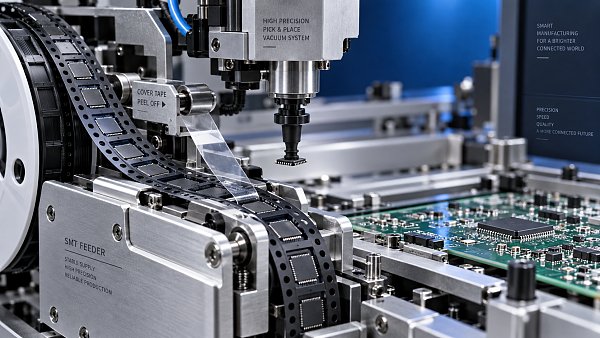
Another common issue is focusing too much on headline machine specifications and not enough on the surrounding ecosystem. Feeders, nozzles, software access, service responsiveness, and spare part availability matter because they affect daily use. A machine can look ideal in a brochure or quotation and still become awkward in practice if those supporting details are weak.
This is where many teams benefit from working through the machine decision alongside line planning. If the goal is not only to buy equipment but to maintain a balanced SMT/THT process, then the machine should be evaluated with conveyors, printers, inspection, handling, and parts support in mind. That broader view usually reveals which option is truly lower risk.
A more grounded way to make the decision
If you are choosing between used vs new SMT machines, try narrowing the decision through sequence rather than preference.
Start with output reality. Not the highest forecast, and not the most optimistic estimate, but the production level you genuinely need the line to support. Then examine board mix, component range, changeover frequency, and operator skill level. After that, look at maintenance resources: who will keep the machine running, how quickly can spare parts be sourced, and what kind of interruption can the schedule tolerate?
Only then should you compare available machine options. At that point, the question is no longer abstract. You can ask whether a specific used machine fits the work, whether a new machine removes a real operational risk, and whether either choice creates unnecessary complexity elsewhere in the line.
For some businesses, support around the equipment becomes just as important as the equipment itself. Access to SMT/THT assembly equipment, original spare parts, and line-level planning can help reduce the guesswork, especially when the decision affects more than one process station. The useful role of a supplier in this situation is not to push one category blindly, but to help clarify compatibility, maintenance implications, and line fit.
So which one is right for your budget?
If your budget needs to stay flexible, your team understands the platform, and the used machine can be supported properly, a used SMT machine may be the smarter investment. If your schedule has little room for interruption, your process needs are evolving, or you want fewer unknowns in line planning, a new machine may be worth the heavier upfront cost.
The best choice usually comes from being honest about constraints rather than chasing the cheapest or newest option. In semiconductor component manufacturing, machine decisions rarely fail because the category was wrong. They fail because the evaluation was too narrow.
When the purchase is judged by total usability instead of sticker price alone, the answer becomes much more practical: buy the machine that your line, staff, and maintenance reality can actually support.


GET A FREE QUOTE
Simply fill in the information to get a free quote! Our professional team customizes photovoltaic solutions for you, provides accurate quotes, and rejects hidden consumption!
