



Blog
High NXTR feeder rejection can disrupt SMT efficiency, increase material waste, and affect placement accuracy in semiconductor component production. For manufacturers using NXTR equipment, identifying the root causes behind high throwing rates is essential to maintaining stable output and reducing downtime. In this article, EXTENSION shares practical insights and proven solutions to help optimize feeder performance and improve overall PCB assembly line reliability.
In semiconductor component assembly, even a small rise in feeder throwing rate can quickly turn into lost output, extra operator intervention, and higher risk of placement defects. For buyers, process engineers, and production managers, the issue is not only how to reduce NXTR feeder rejection, but also how to build a more stable SMT line with reliable spare parts, correct feeder maintenance, and practical support.
Because semiconductor-related PCB assembly often involves fine-pitch devices, miniature passive components, and strict placement consistency, feeder performance matters at every cycle. A rejection rate difference of 1% to 3% may look small on paper, but across high-volume runs it can affect thousands of components per shift. That is why feeder diagnosis should be treated as a line-level improvement task rather than a single-machine complaint.
Why High NXTR Feeder Rejection Matters in Semiconductor Component Assembly
NXTR feeder rejection directly affects three critical targets: placement continuity, component utilization, and first-pass yield. In semiconductor assembly lines running 8 to 24 hours per day, unstable feeding can create frequent alarms, short stops, and repeated manual resets. These interruptions may reduce actual line efficiency by 5% to 15%, depending on product mix and feeder condition.
For semiconductor components, the risk is higher than in general electronics because parts are often smaller, lighter, and more sensitive to tape condition or pickup alignment. Components such as 0201, 01005, micro IC packages, and precision chip devices require stable indexing, consistent peel force, and correct pickup timing. Any deviation in these points can raise the throwing rate and reduce placement accuracy.
Typical production impact
- More material loss from dropped, skipped, or mispicked components
- Higher machine idle time caused by alarm handling and feeder replacement
- Increased burden on operators during changeover and troubleshooting
- Potential quality escape if unstable feeding causes intermittent placement offset
Common warning signs before rejection becomes severe
Most lines do not move from normal performance to high rejection overnight. In many cases, there are early indicators over 3 to 7 days, such as rising pickup miss frequency, increasing feeder alarm count, irregular tape advancement, and inconsistent nozzle pickup on specific lanes. If these signals are ignored, a local feeder issue can spread into wider scheduling and quality problems.
When should action be taken?
A practical rule used by many SMT teams is to investigate when one feeder shows noticeably higher rejection than comparable feeders running the same component package, or when line-level material loss becomes visible across one shift. Waiting until the feeder fails completely usually causes a longer stop and increases scrap risk.
Main Causes of High NXTR Throwing Rate
To solve NXTR feeder rejection efficiently, the first step is separating mechanical causes from process causes. In semiconductor assembly, the root problem is often not one factor alone. It is usually a combination of feeder wear, tape quality, setup method, component characteristics, and preventive maintenance gaps.
1. Feeder mechanical wear
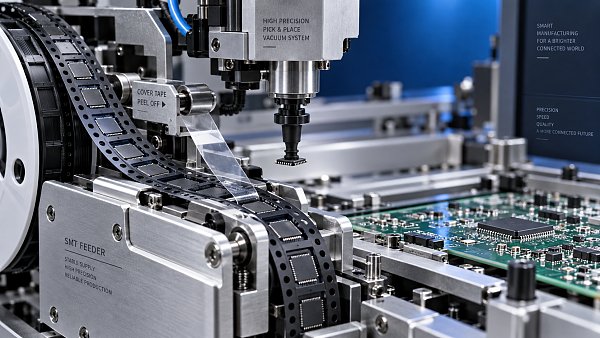
After long operating cycles, wear in gears, sprockets, tape guides, springs, or cover tape peeling parts can reduce indexing precision. When advancing force becomes unstable, the component pocket may stop slightly off position. Even a small deviation can be enough to create pickup failure for miniature semiconductor components.
This issue becomes more visible on older feeders or on feeders used in high-mix production where repeated changeovers increase mechanical stress. If a feeder has already passed multiple maintenance intervals without critical part replacement, rejection may rise gradually rather than suddenly.
2. Worn or non-original spare parts
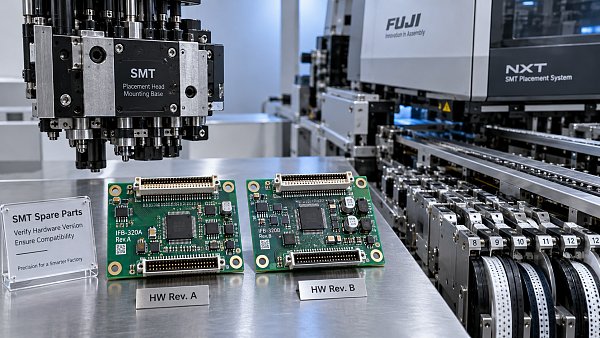
Spare part quality has a direct effect on feeding stability. If replacement parts do not match original tolerances, the feeder may still run, but indexing repeatability and peel consistency can suffer. This is especially risky for semiconductor component lines where feeder precision must remain stable over long production windows.
For this reason, many factories evaluate feeder repair not only by initial cost, but also by the effect on 30-day or 90-day operating stability. EXTENSION supports customers with original machine spare parts to reduce mismatch risk and maintain more predictable feeder performance.
3. Component tape and packaging problems
High feeder rejection is not always caused by the feeder itself. Component tape with poor pocket shape, variable peel resistance, bent carrier, moisture exposure, or packaging deformation during storage can also lead to misfeed. Thin tapes and very small parts are more sensitive to transportation damage and storage pressure.
In semiconductor manufacturing, incoming material checks should include tape flatness, reel integrity, pocket alignment, and cover tape condition. A quick 5-point inspection before line loading can often prevent hours of later troubleshooting.
The table below shows a practical way to classify common root causes and their visible symptoms on NXTR lines.
The key takeaway is that high throwing rate should be diagnosed systematically. If the team changes only one variable without identifying the actual source, the same rejection pattern may return in the next lot or on a similar package family.
4. Improper setup and calibration
Feeder installation angle, pickup position, nozzle selection, and software parameters all influence feeding performance. For small semiconductor components, pickup location may need tighter verification during new product introduction. A setup offset that appears acceptable on larger passive parts may become unacceptable on ultra-small packages.
5. Inadequate preventive maintenance
When feeders are cleaned only after visible failure, dust, adhesive residue, and tape debris can accumulate in the advancing path. Over 2 to 4 weeks of continuous use, this contamination may change movement resistance and increase skip or miss events. Preventive maintenance should follow a cycle based on line load, component size, and environment rather than only operator availability.
How to Troubleshoot NXTR Feeder Rejection Step by Step
A structured troubleshooting flow helps reduce downtime and avoids unnecessary feeder replacement. For semiconductor component lines, the goal is to locate the issue within 10 to 30 minutes where possible, then decide whether immediate repair, spare feeder swap, or process adjustment is the best option.
Step 1: Isolate the feeder from the component lot
Move the same reel to another confirmed feeder, or move the same feeder to a comparable reel if material control allows. This simple cross-check can quickly show whether the primary variable is the feeder body or the packaged component. In many factories, this is the fastest first action during live production.
Step 2: Check visible mechanical points
Inspect the tape guide, sprocket engagement, peeling path, spring response, and latch condition. Also confirm that the feeder locks correctly in position and that there is no looseness causing pickup offset. A 6-item visual checklist can often identify obvious mechanical risk before deeper disassembly is needed.
Step 3: Review setup data and nozzle compatibility
If the feeder is mechanically normal, review pickup coordinates, nozzle type, placement head condition, and product-specific library settings. A line may report feeder rejection even when the root issue is vacuum inconsistency or pickup timing mismatch. This is especially important for micro packages and light-weight semiconductor devices.
Step 4: Clean and retest under controlled conditions
After cleaning the feeder path and confirming reel seating, run a controlled verification lot. For example, test 200 to 500 placements and compare alarm count, miss pickup events, and observed tape advancement. This creates a practical reference before deciding on repair or spare part replacement.
The following table provides a field-friendly troubleshooting sequence that maintenance and production teams can apply on semiconductor SMT lines.
This method reduces guesswork and supports faster decision-making. It also helps purchasing and maintenance teams justify when a feeder should be repaired, replaced, or supported with original spare parts instead of being repeatedly adjusted on the line.
Practical Solutions to Reduce NXTR Feeder Rejection
Once the main cause is identified, the next priority is building repeatable control measures. For semiconductor component production, the best results usually come from combining feeder maintenance, spare parts planning, material inspection, and operator training into one improvement program.
Use original machine spare parts for critical wear points
When wear affects indexing accuracy, replacing damaged feeder parts with original machine spare parts is often the most reliable path. The value is not only longer service life, but more predictable movement consistency under continuous production. This matters when one line handles several package sizes across 2 to 3 shifts per day.
Create a preventive maintenance cycle
A practical maintenance schedule can be divided into daily, weekly, and monthly tasks. Daily checks may include visual cleaning and tape path verification. Weekly checks can review feeder movement smoothness and latch integrity. Monthly tasks may include deeper inspection of wear parts and replacement planning for feeders with high utilization hours.
Suggested maintenance checkpoints
- Clean tape debris and adhesive residue every shift or every 8 to 12 operating hours
- Inspect peel mechanism and spring response every 1 to 2 weeks
- Check critical wear points and feeder consistency every 1 to 3 months
- Keep service records to identify repeat-failure feeders by serial tracking
Strengthen incoming material control
For semiconductor assembly, incoming reels should be checked for reel edge damage, tape pocket deformation, cover tape adhesion, and storage condition. If moisture-sensitive or very small components are involved, storage and handling discipline can reduce feeding instability before the material reaches the line.
Standardize setup during product changeover
Many feeder issues appear during high-mix, low- to mid-volume production because changeovers are frequent and setup consistency varies by operator. A simple standard covering feeder loading, reel seating, pickup verification, and first-article confirmation can lower rejection risk significantly. In practice, 4 to 6 setup checkpoints are usually enough to improve consistency without slowing the line.
How to Choose Support, Spare Parts, and Line Solutions
If high NXTR feeder rejection becomes recurrent, the problem should be reviewed not only as a maintenance issue, but also as a sourcing and line-support issue. Buyers and engineering managers should assess whether their current spare parts strategy, feeder servicing method, and technical support model are aligned with semiconductor production needs.
What buyers should evaluate
- Availability of original machine spare parts for critical feeder components
- Technical understanding of SMT and THT assembly equipment integration
- Response time for troubleshooting, replacement planning, and line support
- Ability to support complete PCB assembly line optimization, not only single-part sales
The table below outlines key selection factors when evaluating a feeder support partner for semiconductor component assembly.
A capable partner helps reduce both direct and indirect losses. Direct losses include component waste and repair cost. Indirect losses include engineering time, schedule pressure, and quality instability. For many semiconductor manufacturers, these indirect costs become larger than the part price difference over time.
Where EXTENSION fits
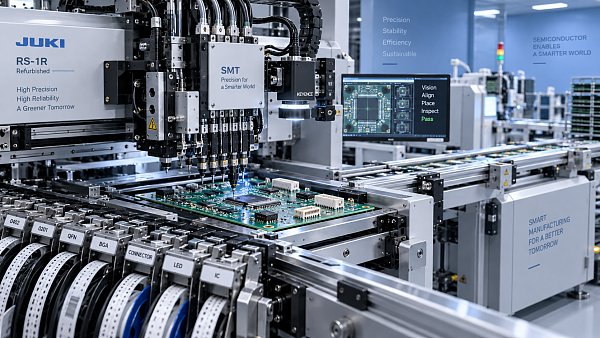
EXTENSION focuses on SMT/THT assembly equipment, original machine spare parts, and complete PCB assembly line solutions. This makes support more practical for customers who need more than a one-time feeder fix. If the rejection issue is linked to feeder wear, setup consistency, or broader line coordination, an integrated support approach is usually more efficient than solving each point separately.
Frequently Asked Questions About NXTR Feeder Rejection
Is high throwing rate always caused by a bad feeder?
No. In many cases, the feeder is only one part of the problem. Material packaging quality, pickup settings, nozzle condition, and product-specific handling requirements can all contribute. That is why cross-checking feeder and reel combinations is one of the fastest diagnostic methods.
How often should NXTR feeders be maintained?
The correct interval depends on production load, component size, and line environment. As a working range, light cleaning may be done every shift, functional checks every 1 to 2 weeks, and deeper inspection every 1 to 3 months. High-usage feeders in semiconductor lines may require shorter cycles.
Should a factory keep spare feeders on site?
Yes, especially for high-run components or package types that are difficult to stabilize once problems appear. Keeping planned spare feeders and critical spare parts can reduce emergency downtime and protect delivery schedules. The ideal quantity depends on line count, product mix, and maintenance turnaround time.
What is the biggest mistake in solving feeder rejection?
The most common mistake is treating every rejection event as an isolated operator issue. If the same feeder family, same package type, or same maintenance gap appears repeatedly over several weeks, the factory needs a systematic correction plan rather than repeated short-term adjustments.
Final Recommendation for More Stable NXTR Feeding Performance
Reducing high NXTR feeder rejection in semiconductor component assembly requires a balanced approach: identify the true cause, verify the feeder and material separately, maintain the feeder on a clear cycle, and use suitable original spare parts where wear affects precision. The companies that manage this well usually see better line continuity, lower material waste, and more stable placement results over the long term.
If your production team is facing repeated NXTR feeder throwing issues, EXTENSION can support you with SMT/THT assembly equipment expertise, original machine spare parts, and complete PCB assembly line solutions tailored to semiconductor manufacturing needs. Contact us now to discuss your feeder problem, request a customized solution, or learn more about practical ways to improve line reliability.


GET A FREE QUOTE
Simply fill in the information to get a free quote! Our professional team customizes photovoltaic solutions for you, provides accurate quotes, and rejects hidden consumption!
