
Blog
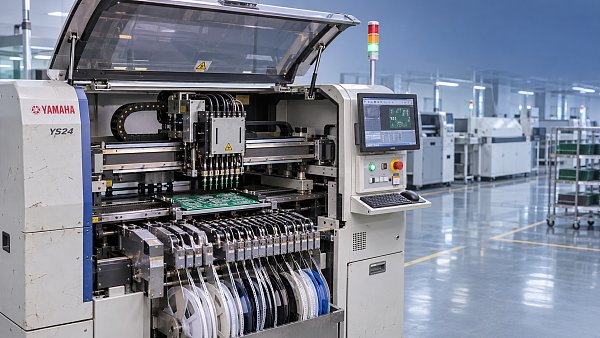
Preparing used FUJI SMT machines for international shipping requires more than securing them in a crate. Sensitive feeders, cameras, motion systems, and electronic components must be protected against vibration, moisture, and handling risks. Careful inspection, proper immobilization, suitable packaging, and accurate shipping documentation can help reduce delays and costly damage. This guide explains the key steps for preparing pre-owned FUJI equipment for overseas transport, from documenting its condition to coordinating delivery at the destination.
The best preparation starts before anyone disconnects a cable. A machine may leave the factory floor in working order and still arrive with a damaged placement head, a bent cover, or a control system that nobody can restore. The shipping plan therefore needs to cover three things separately: the machine’s condition, its physical protection, and the information needed to bring it back into service.
Document the machine before dismantling
Record the FUJI model, serial number, installed modules, and visible condition while the equipment is still accessible. Note damaged covers, missing panels, worn connectors, and existing alarms. If the machine can be powered safely, document its operating status and any faults that are already present. A powered test is useful, but it should not be represented as proof that every component is within specification.
Keep a clear record of what is included in the sale or transfer. Feeders, nozzles, feeder carts, conveyor sections, monitors, cables, and spare parts are easy to overlook when the machine and accessories travel in separate packages. Identify each item by type and, where practical, serial number. The packing list should later match what was actually packed, not an earlier sales quotation.
Back up machine programs, configuration data, calibration information, and other files where the installed system allows it. Confirm who has the required access and whether software licenses can be transferred or reactivated at the destination. Store the backup separately from the machine and verify that it can be read. A copied folder is of limited use if nobody knows which machine it belongs to or whether the backup is complete.
Plan the route before choosing the crate
A shipping crate has to fit more than the machine. It must fit through the collection point, onto the planned vehicle, into the freight equipment, and through the destination building. Confirm the packed dimensions and gross weight with the crating provider rather than relying on the machine’s nameplate alone. The base, bracing, barrier materials, and accessories all add to the final load.
Check floor loading, door clearances, loading dock access, and the availability of suitable lifting equipment at both ends. If a machine must be turned to enter a building, establish whether it can remain upright during that maneuver. A last-minute decision to tilt a placement machine because a doorway is too narrow can undo otherwise careful preparation.
Ocean freight often exposes equipment to a longer period of temperature and humidity variation, while air freight may make packed weight and dimensions more restrictive. Neither route removes the need for moisture protection or secure handling. The right choice depends on schedule, cost, route, and how well the packaging protects the actual equipment.
Disconnect utilities and secure moving assemblies
Use qualified personnel and the applicable model-specific FUJI instructions to shut down, isolate, and disconnect electrical and pneumatic supplies. Follow the site’s lockout procedures. Residual pneumatic pressure must be relieved safely before lines are disconnected; electrical work should not be treated as a routine packing task.
Label cables and connection points before removal. Protect exposed connectors from contamination and physical damage, and retain fasteners in labeled bags. If conveyor sections or external units are detached, mark their original positions and interfaces. This small amount of preparation can save considerable troubleshooting when the machine is reassembled by a different team.
Placement heads, axes, and other moving assemblies need to be positioned and restrained as specified for the particular machine. Use original transport fixtures where available, or an approved equivalent determined by a competent technician. Do not improvise by strapping a head to a nearby cover or forcing an axis against its end stop. A restraint that prevents movement but puts load into a precision assembly can cause damage of its own.
Check whether original shipping locks are present before the rigging team arrives. If they are missing, resolve that issue early rather than assuming the crate alone will keep internal assemblies stationary. Doors and covers also need to be secured, but they should not be used as structural anchor points.
Pack feeders, optics, and loose parts deliberately
Feeders are not simply loose accessories. Their guides, mechanisms, connectors, and identification labels can be damaged when units rub together or carry each other’s weight. Remove and pack them according to the equipment and feeder requirements, using suitable racks or individual protection that prevents movement. Keep an inventory inside the shipment documentation as well as in the buyer’s records.
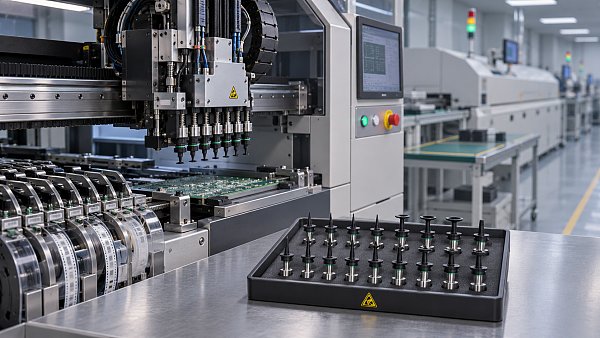
Nozzles and small tooling should be held in protective containers, identified by type, and kept away from heavier items. Protect exposed cameras, lighting assemblies, and sensors from impact and contamination without applying packing materials directly to sensitive optical surfaces. Whether a component should be removed or secured in place depends on the machine design and the available transport instructions; unnecessary disassembly introduces its own alignment and handling risks.
Electronic boards and spare control components need appropriate electrostatic-discharge protection when handled outside the machine. Do not place loose boards in ordinary plastic bags or allow them to move freely among metal parts. Consumables, batteries, and any materials that might be regulated in transport should be identified separately and checked with the freight provider.
Build protection around the load, not just a wooden box
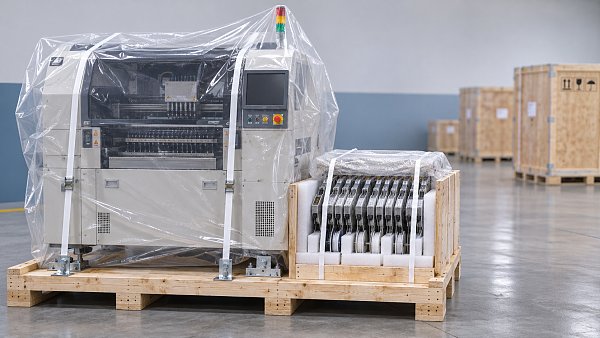
The machine should be fixed to a suitably engineered base using the designated mounting or securing points. The base and crate must accommodate the machine’s weight distribution and the forces expected during lifting, road transport, and transfers between carriers. Ask the crating company how the load will be restrained and where the lifting points will be marked. “Export crate” by itself does not explain either.
Keep restraints clear of covers, cable trays, pneumatic lines, and precision components. Forklift pockets and lifting instructions should be visible, but labels are not a substitute for a stable base. The center of gravity can be uneven, especially when a machine is shipped with external modules or accessories attached. The rigging contractor needs the applicable lifting information before moving it.
For moisture protection, consider a sealed barrier with an appropriate quantity of desiccant, selected for the enclosure, expected transit conditions, and duration. A humidity indicator can help the receiving team assess the environment inside the barrier, although it cannot prove that no condensation occurred during the journey. The barrier should be sealed only after the machine and packing materials are dry.
Shock or tilt indicators may provide useful evidence for inspection, but they do not prevent rough handling and should not be the only basis for accepting or rejecting a shipment. Likewise, foam should be chosen for the actual load and application: soft material placed randomly around a heavy machine is not an engineered vibration-control system.
If solid wood packaging is used, confirm the applicable import and transit requirements with the crating provider and freight forwarder. ISPM 15 requirements may apply to wood packaging in international trade, but the relevant exemptions and enforcement details depend on the materials and jurisdictions involved.
Make the paperwork match the physical shipment
The commercial invoice and packing list should describe the equipment accurately as used machinery, with model and serial details where appropriate. Confirm the number of packages, dimensions, weights, accessory contents, seller and buyer information, and agreed delivery terms. A feeder crate omitted from the packing list can create as much confusion at the destination as an incorrect machine description.
Work with the forwarder or customs broker on tariff classification, declared value, origin information, and any destination-specific import requirements. Used equipment may receive different scrutiny depending on the jurisdiction and condition of the goods. Do not assume that documents accepted for a previous shipment will be sufficient for another route.
Also agree on responsibility for loading, export clearance, freight, insurance, import clearance, unloading, and final positioning. Delivery terms can allocate some of these obligations, but the named place and the actual contract matter. Check what the cargo insurance covers, including handling and any deductible, rather than assuming the carrier’s liability equals the machine’s value.
Prepare for receiving and recommissioning
Before the shipment arrives, give the receiving team the packing list, handling instructions, expected dimensions and weight, and the location of transport locks. Confirm that the destination has suitable electrical and pneumatic services for the specific machine. Voltage compatibility, connections, and any required modifications should be checked against the machine documentation by qualified personnel, not inferred from a generic model description.
Inspect the crate before unloading and opening it. Record external damage, wet packaging, broken seals, or activated indicators, and notify the carrier and insurer promptly in line with their claim procedures. Retain the packaging if damage is suspected. After opening, compare the contents with the packing list and inspect the machine before removing its restraints or moving its axes.
If the equipment has traveled through a cold or humid environment, allow it to reach suitable indoor conditions before opening a sealed barrier or applying power, according to the equipment and packaging guidance. Then remove transport fixtures, reconnect utilities, and carry out the checks and calibration required for the actual machine. A successful power-on is a starting point, not a substitute for verifying placement performance.
For a complete PCB assembly line, this planning extends beyond the FUJI placement machine to conveyors, inspection equipment, THT equipment, and the interfaces between them. SMT MALLS works across SMT/THT assembly equipment, original machine spare parts, and line solutions, so the same practical question applies throughout the project: can each item be identified, protected, delivered, and put back into service with the information available? Resolve the uncertain items before the crate is closed, while the machine and the people who know it are still accessible.



GET A FREE QUOTE
Simply fill in the information to get a free quote! Our professional team customizes photovoltaic solutions for you, provides accurate quotes, and rejects hidden consumption!