





Product Description
Built for Reliable Board Reorientation in Automated Lines
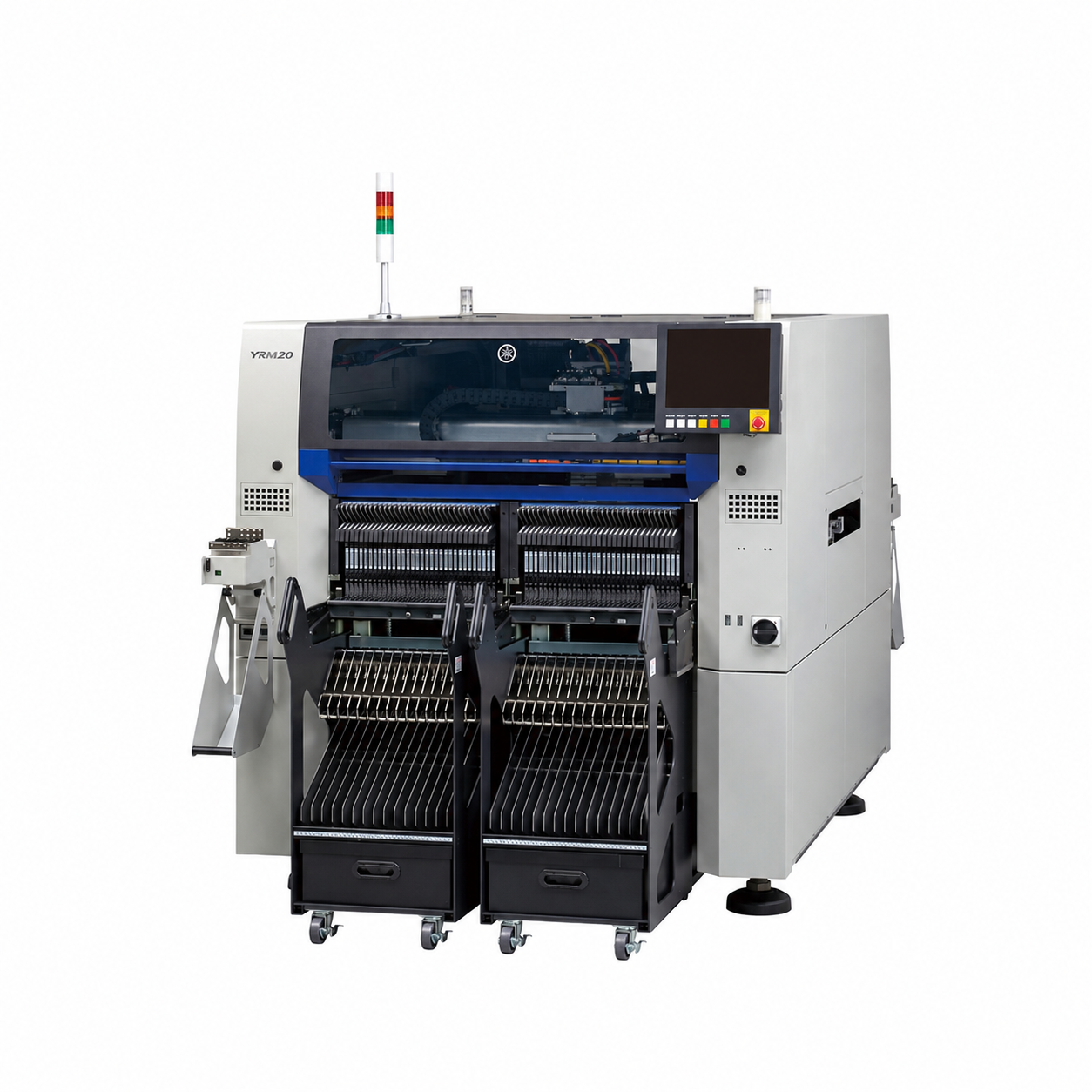
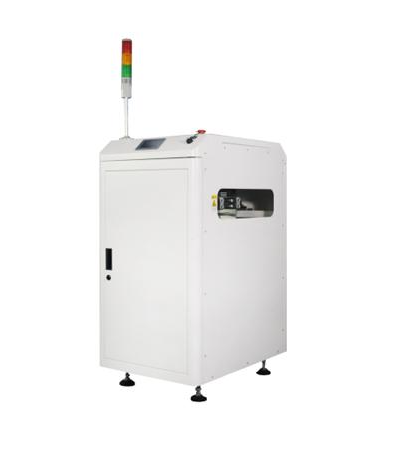
In modern SMT and PCB assembly environments, every transfer point affects throughput, product consistency, and line balance. A PCB turnover unit is designed to rotate printed circuit boards during inline transport so the next process can continue in the required orientation without manual handling. This seemingly simple action plays an important role in reducing operator intervention, improving process continuity, and protecting boards from unnecessary touch points.
For manufacturers working with automated production lines, stable board turning is not just a convenience. It helps maintain rhythm between upstream and downstream equipment, supports compact line layouts, and makes it easier to configure processes when the board must be flipped to match inspection, assembly, or handling requirements. In practice, this means fewer interruptions, cleaner line integration, and a more controlled production flow.
What This Equipment Does in a Real Production Setting
A turnover system is typically installed between conveyorized machines where PCB orientation needs to change before the next station. Rather than relying on manual repositioning, the unit receives the board, completes the turning action, and transfers it forward in a coordinated and repeatable way. This supports both productivity and process discipline, especially in lines where timing, alignment, and handling consistency matter.
Because the equipment works as part of an inline automation sequence, buyers usually evaluate it based on operational stability, compatibility with existing conveyors, ease of integration, and its ability to handle boards carefully. A well-designed PCB turnover unit helps production teams reduce avoidable handling risks while keeping the line organized and efficient.
Key Functional Advantages
- Automatic board rotation: Changes PCB orientation inline without extra manual steps.
- Smoother workflow: Helps connect different process stations in a practical sequence.
- Reduced handling contact: Supports board protection by minimizing direct operator involvement.
- Better line utilization: Makes it easier to design a compact production layout.
- Improved process consistency: Repeats the same movement pattern for every transferred board.
- Flexible application value: Useful in lines where top-side and bottom-side process coordination is required.
Why Manufacturers Use a PCB Turnover Unit
In electronics manufacturing, efficiency often depends on how well each machine supports the line as a whole. A board transfer device that can rotate PCBs accurately helps solve a common production challenge: how to maintain board direction for the next operation without breaking automation. Whether the goal is to streamline movement between SMT processes or improve coordination in a broader PCB assembly line, this type of equipment offers practical value.
Many factories also use a turnover solution to reduce labor dependence at transfer points. Manual flipping can slow output, increase inconsistency, and introduce avoidable risk. By automating this step, the line becomes easier to standardize and easier to scale. The result is not only better productivity, but also a more professional and controlled manufacturing environment.
Operational Benefits for Production Teams
- Supports continuous flow: Helps prevent unnecessary pauses between machines.
- Improves station matching: Allows equipment with different orientation needs to work together more efficiently.
- Enhances handling quality: Reduces the chance of inconsistent manual turning.
- Optimizes workspace: Contributes to a cleaner and more organized line arrangement.
- Assists process planning: Gives engineers more freedom when designing line direction and sequence.
Common Application Scenarios
A PCB turnover unit is commonly used in SMT production lines, electronics assembly workshops, and automated PCB handling systems where inline board direction must be changed. It is especially relevant in environments that prioritize process continuity, controlled transfer, and reduced manual interaction. Typical applications may include transitions between assembly, inspection, buffering, or other conveyor-linked stages where orientation matters to the next step.
This type of equipment can also be valuable for manufacturers building more standardized production cells. As lines become faster and more interconnected, even small handling steps must be engineered for repeatability. That is why turnover equipment is often considered part of a broader strategy to improve automation quality rather than just a single transport accessory.
Who Benefits Most
- SMT manufacturers seeking smoother inline material flow
- PCB assembly plants aiming to reduce manual board handling
- Production engineers planning automated transfer sequences
- Factories upgrading line efficiency and layout flexibility
- Operations teams focused on consistency, safety, and throughput
Selection Considerations Before Purchase
When evaluating a turnover solution, it is wise to confirm actual board size range, conveyor compatibility, control interface requirements, and installation conditions based on the full production line. Since no technical parameters are provided here, buyers should match the unit to their existing process environment and confirm operational details with the supplier before implementation. This helps ensure the equipment fits line speed, handling logic, and overall automation goals.
A dependable PCB turnover unit is ultimately an investment in cleaner board handling and better line coordination. For manufacturers looking to refine transfer efficiency and support stable automated production, it offers a practical and professional solution with clear value on the factory floor.
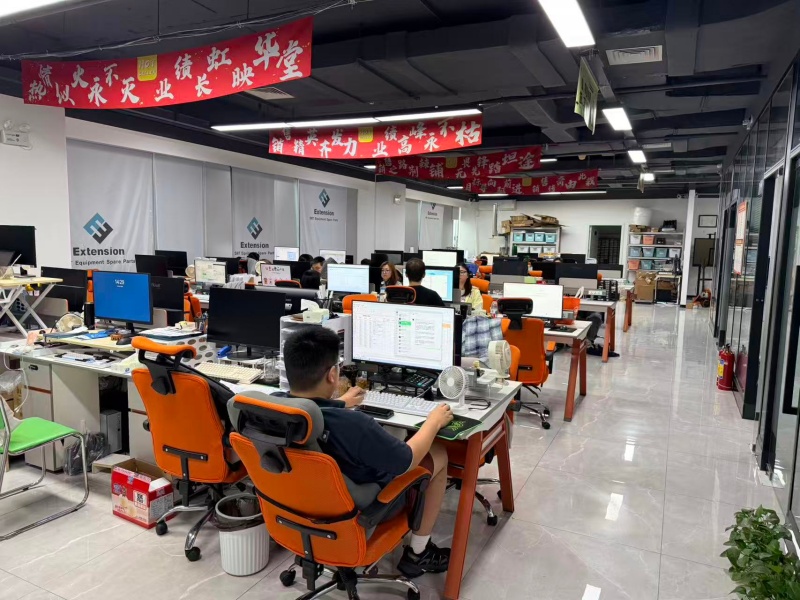
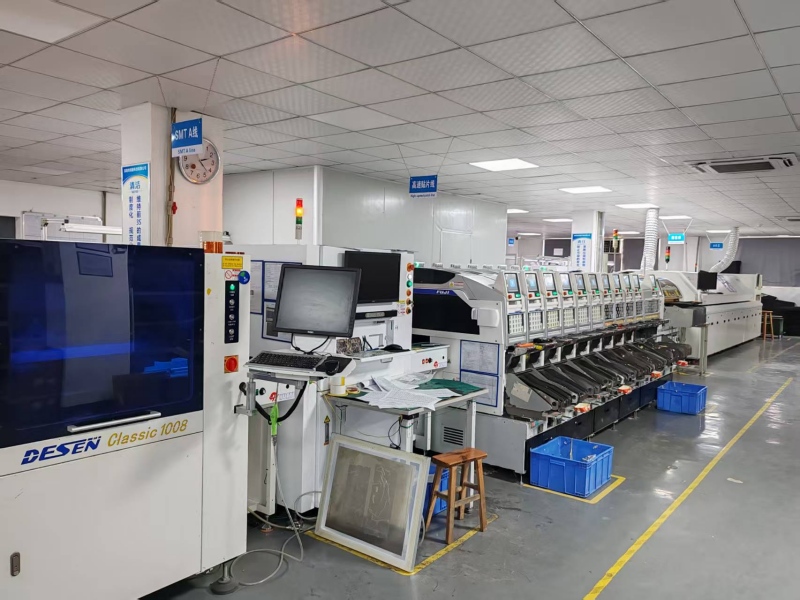
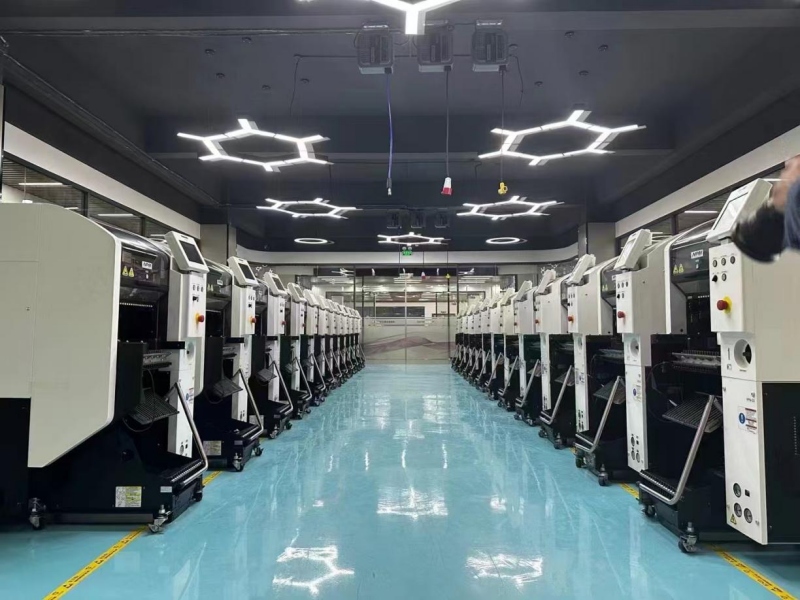
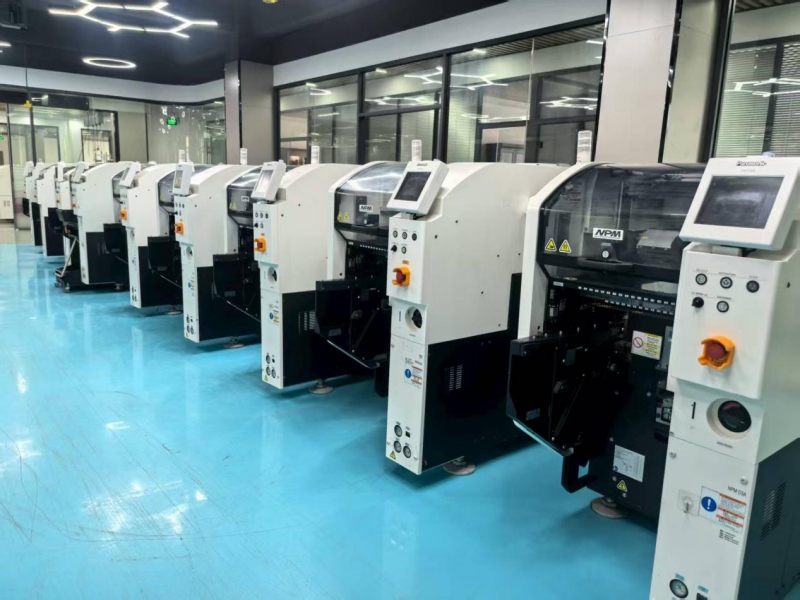
Our Factory
Message
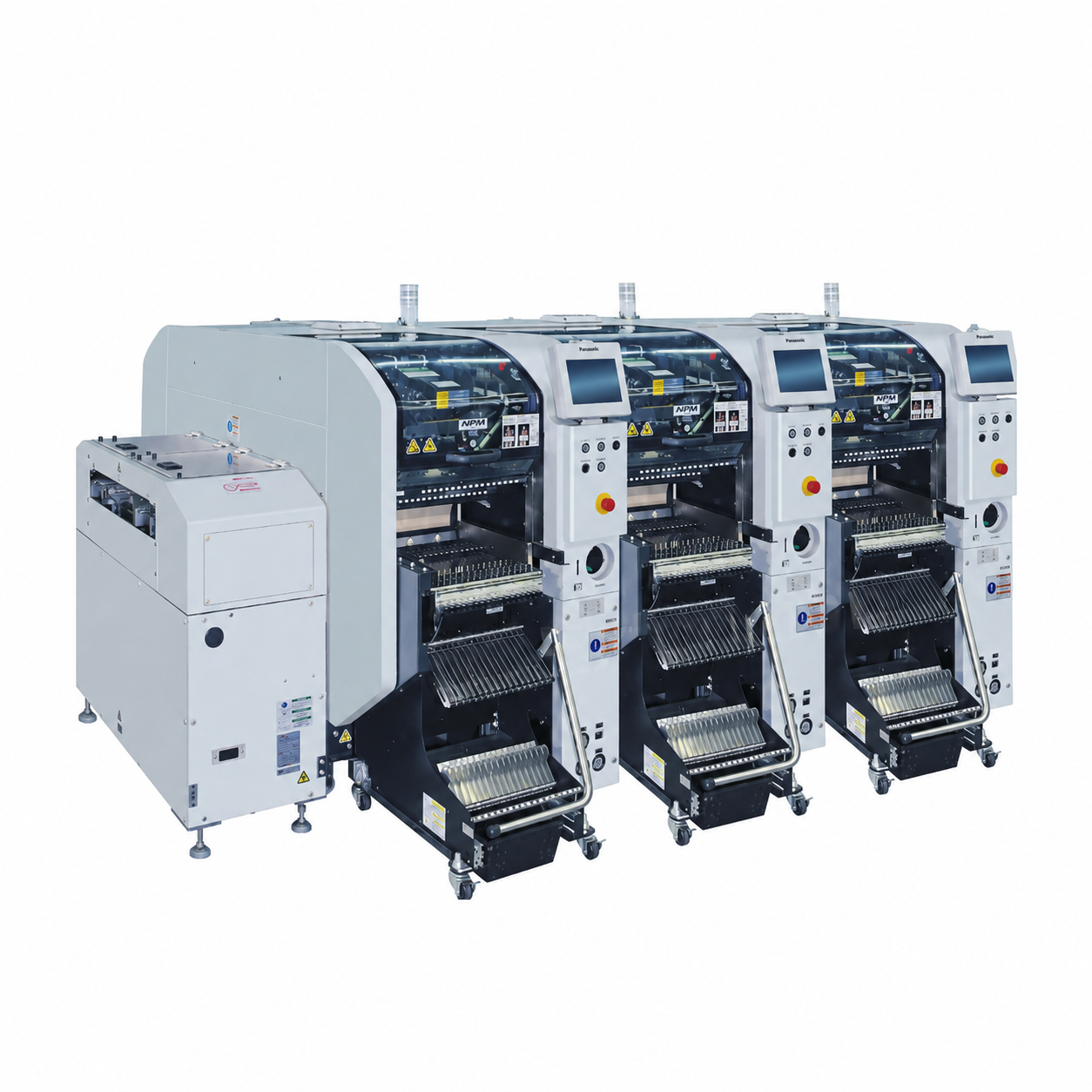
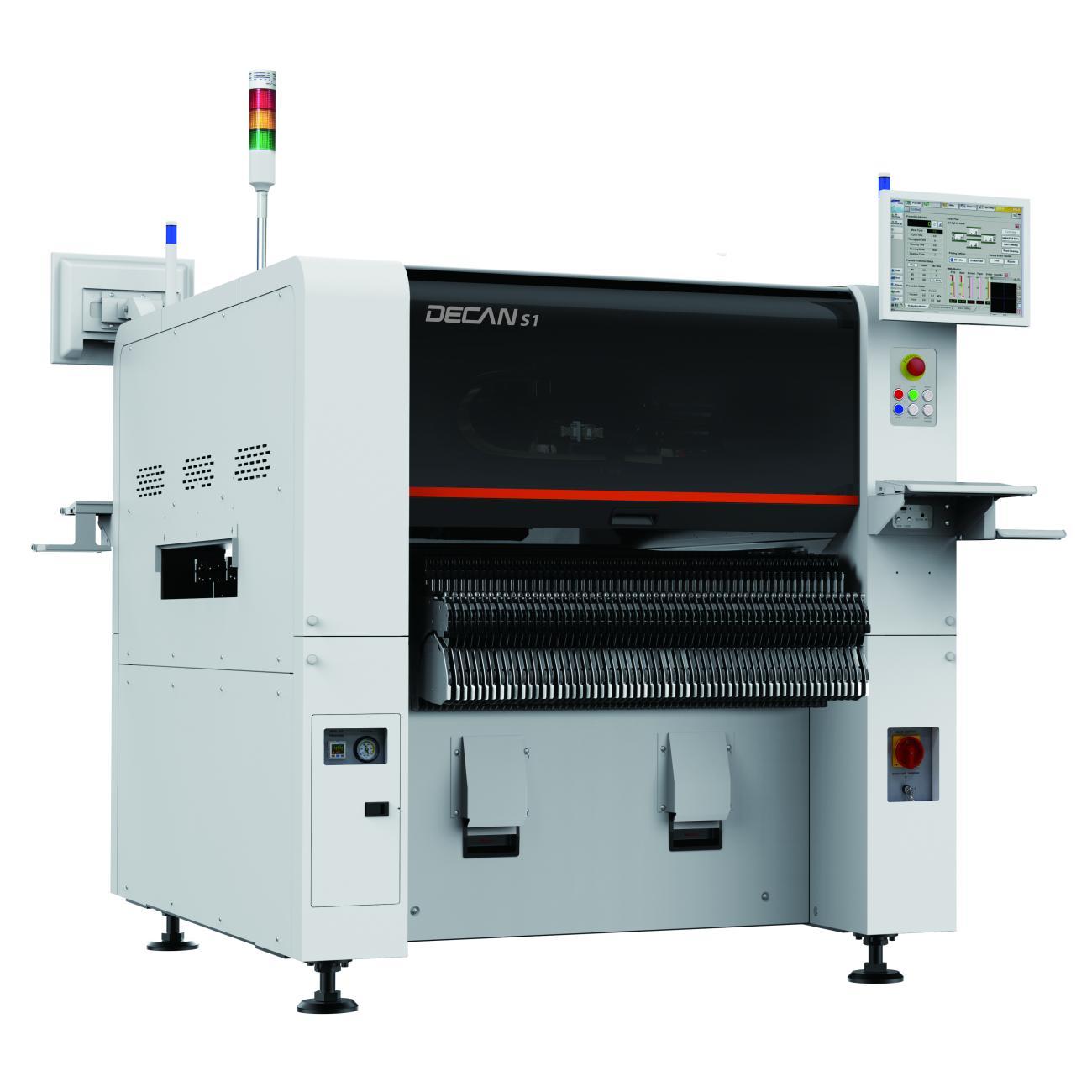
Products Recommended
GET A FREE QUOTE
Simply fill in the information to get a free quote! Our professional team customizes photovoltaic solutions for you, provides accurate quotes, and rejects hidden consumption!
