





Product Description
pcb unloader
Reliable End-of-Line Board Handling for SMT Production
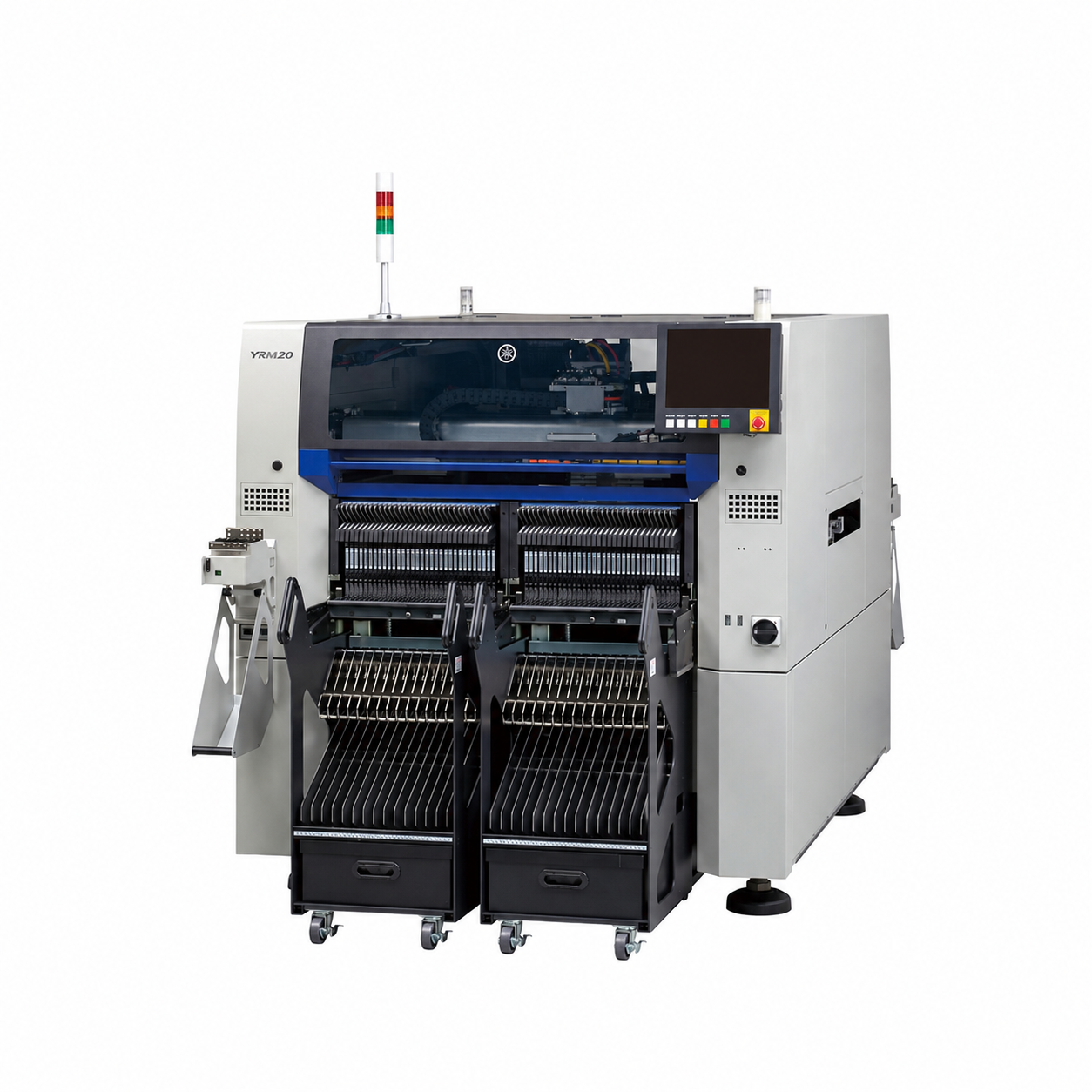
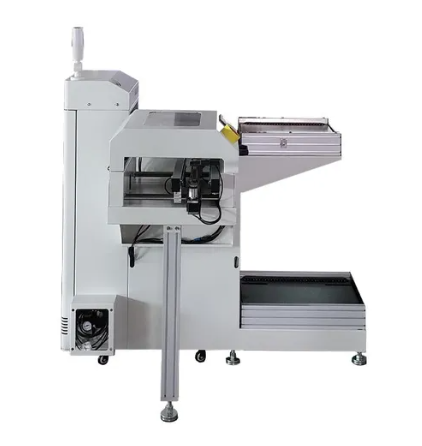
In a modern SMT or PCB assembly environment, stable board transfer at the end of the line is just as important as placement accuracy or reflow consistency. A well-designed pcb unloader helps manufacturers move finished boards out of the production process smoothly, safely, and with less dependence on manual intervention. By automatically receiving and unloading assembled boards, it supports a cleaner workflow, lowers operator workload, and helps maintain a steady production rhythm.
This equipment is commonly installed at the downstream end of an SMT line, where it receives completed PCBs from upstream conveyors or process machines. Its core role is simple but essential: collect boards in an orderly way and prepare them for the next handling step without creating line interruptions. For factories focused on consistency, throughput, and reduced handling risk, this type of automation provides practical value every day.
What This Equipment Does
A pcb unloader automates the discharge of finished circuit boards after assembly or inspection processes. Instead of relying on operators to remove boards one by one, the machine receives them from the line and transfers them into a magazine or designated collection position, depending on system design. This makes the production flow more predictable and helps reduce delays caused by manual handling, uneven pacing, or board stacking errors.
In real production settings, stable unloading matters because assembled boards may already contain sensitive components, soldered joints, or finished surfaces that should be handled carefully. Controlled transfer reduces unnecessary contact and supports better protection for the product as it leaves the line. This is especially useful in facilities where traceability, product quality, and labor efficiency are all under close review.
Key Benefits in Daily Manufacturing
- Supports continuous material flow at the end of the SMT line
- Reduces repetitive manual unloading work for operators
- Helps minimize handling-related board damage or misplacement
- Improves production organization by collecting boards in a controlled manner
- Contributes to more consistent line efficiency and labor planning
These benefits are especially meaningful in operations that run multiple shifts or manage mixed product batches. Even when the product mix changes, dependable downstream handling remains a constant requirement. By automating a repetitive but critical stage, manufacturers can focus operator attention on quality checks, material preparation, or process supervision rather than simple board collection.
Functional Value Beyond Simple Transfer
Although unloading may appear to be a straightforward process, it has a direct impact on upstream equipment utilization. If finished boards are not removed in time, the entire line can slow down or stop. A dependable pcb unloader helps prevent this bottleneck by creating an orderly receiving point for completed assemblies. In practical terms, this can support smoother line balancing and reduce small interruptions that add up over the course of a production day.
Another important aspect is process discipline. Automated unloading introduces repeatability to a task that is often affected by operator timing and handling habits. For electronics manufacturers working under standardized procedures, this can help maintain cleaner workflows and make production behavior easier to manage across teams and shifts.
Typical Application Scenarios
- SMT assembly lines handling finished boards after reflow and inspection
- PCB manufacturing environments that require organized downstream collection
- Electronics production lines seeking reduced manual board handling
- Factories using magazine-based transfer systems between workstations
- Operations aiming to improve workflow continuity at the line end
Because production environments vary, the ideal unloading setup depends on existing line layout, transfer direction, board type, and downstream logistics. For that reason, buyers usually evaluate compatibility with current SMT conveyors, magazine handling processes, and available floor space before final selection. A suitable unloading solution should fit naturally into the line rather than create extra complexity.
Who Benefits Most
This equipment is a strong fit for EMS providers, consumer electronics manufacturers, industrial control assembly plants, automotive electronics suppliers, and other producers running structured PCB assembly operations. It is particularly valuable for teams that want to improve end-of-line handling without overcomplicating the production process.
Production managers benefit from improved workflow continuity. Operators benefit from lower physical repetition and a more organized workstation. Quality teams benefit from more controlled product handling. Business owners benefit from a production setup that is better aligned with scalable manufacturing practices.
Why a Thoughtful Unloading Step Matters
In electronics manufacturing, efficiency is rarely determined by one major machine alone. It often comes from the coordination of every transfer point across the line. A pcb unloader may serve a focused role, but that role directly supports smoother output, cleaner handling, and more disciplined production flow. When end-of-line transfer is stable, the entire line becomes easier to manage.
For manufacturers looking to strengthen SMT line automation in a practical way, this solution addresses a real operational need. It helps turn finished board discharge into a controlled, repeatable step that supports quality, efficiency, and day-to-day production confidence.
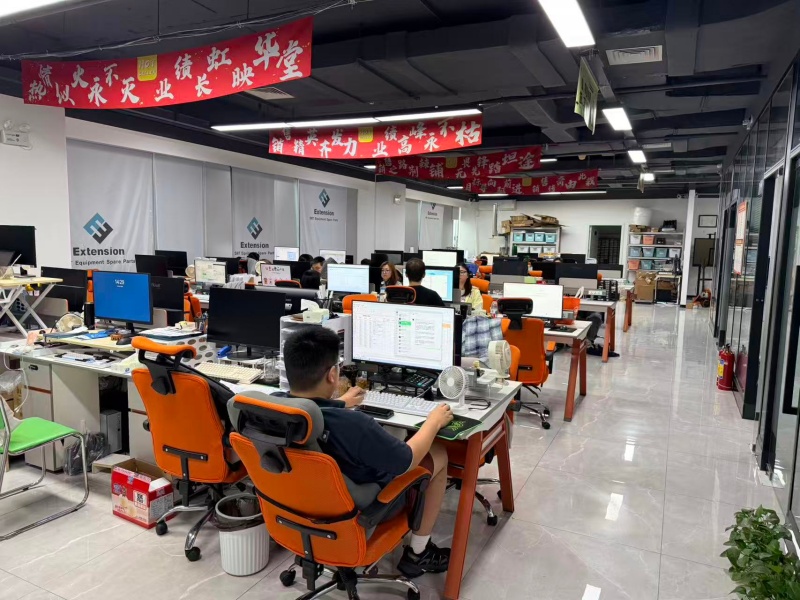
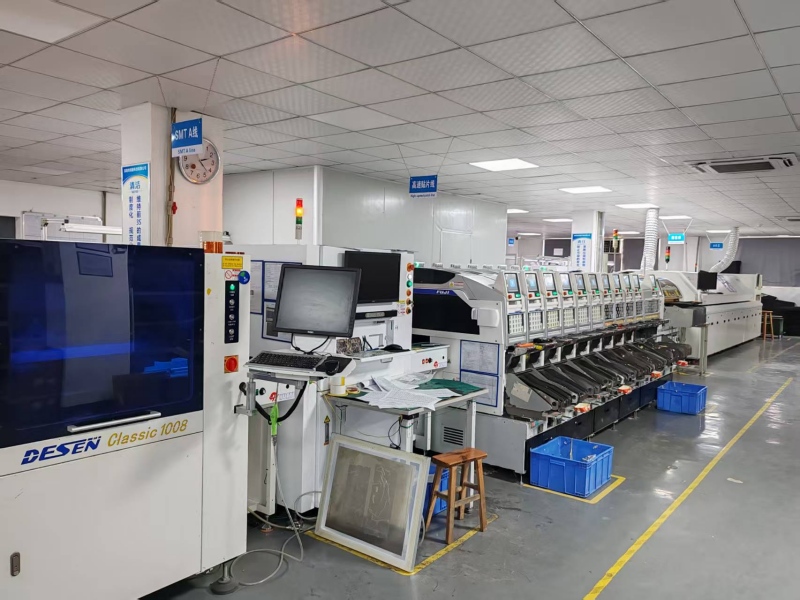
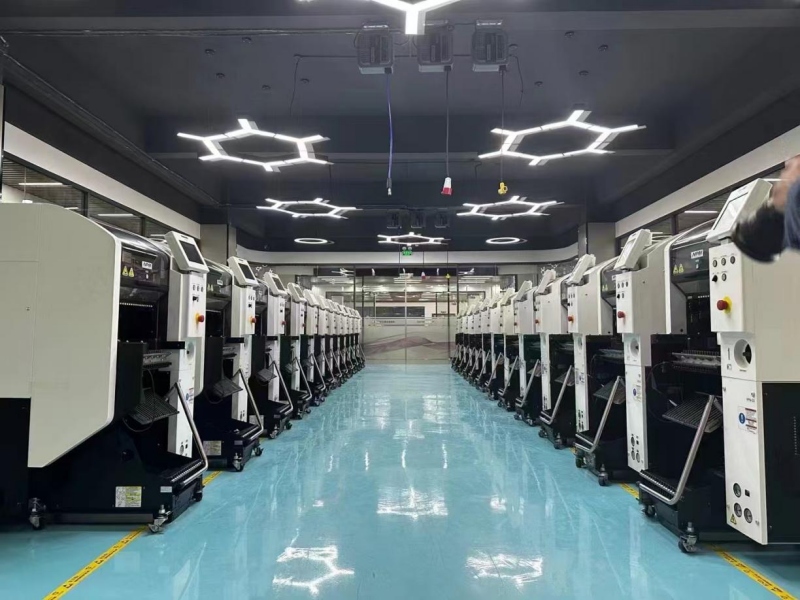
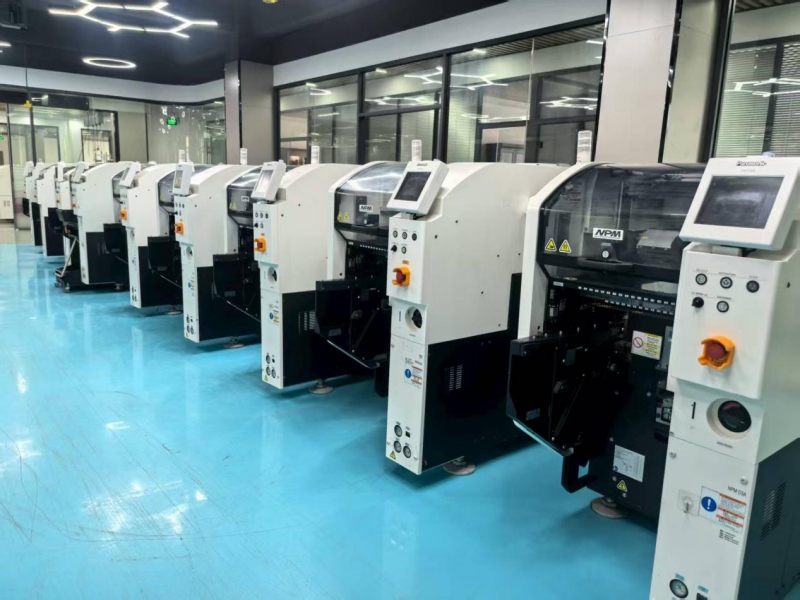
Our Factory
Message
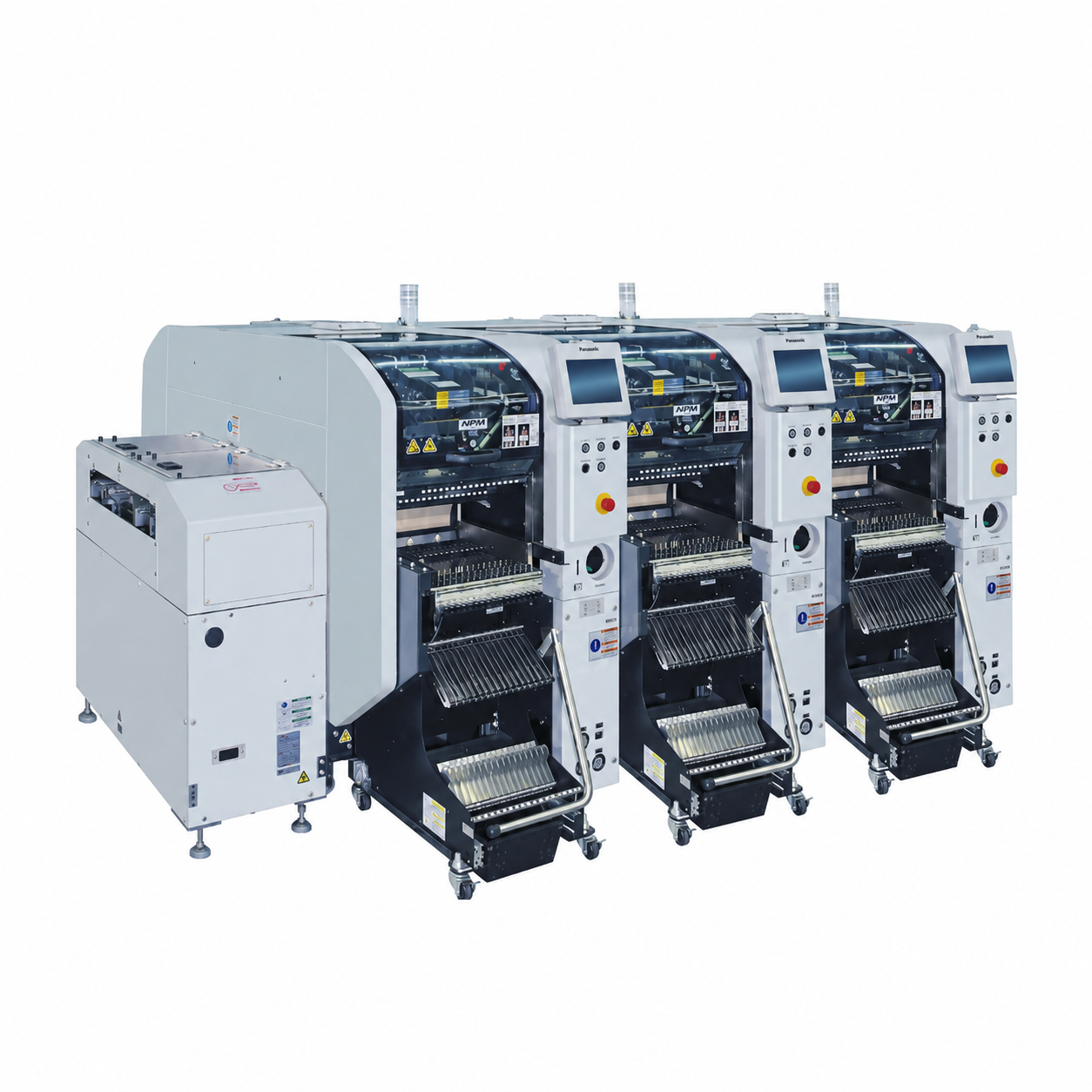
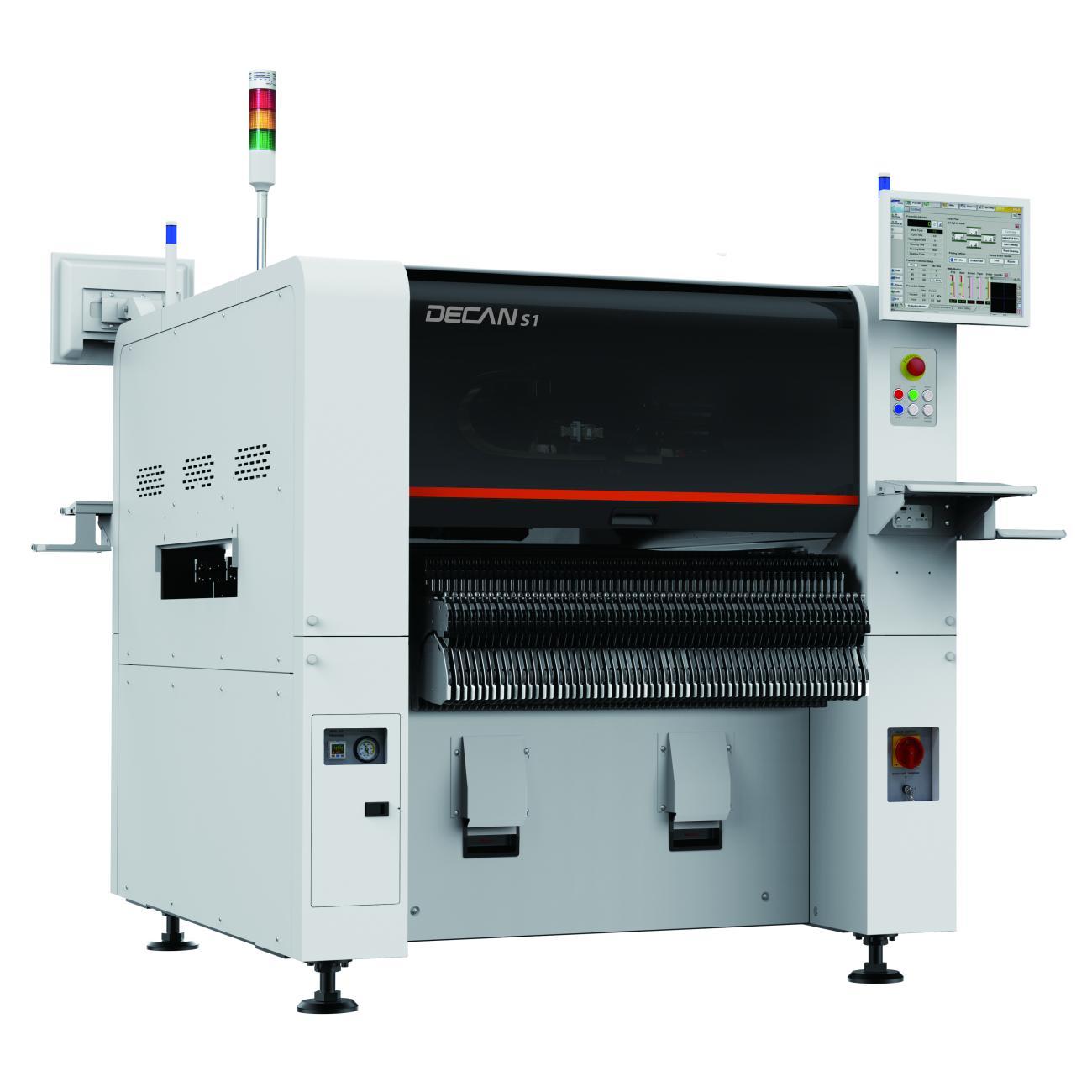
Products Recommended
GET A FREE QUOTE
Simply fill in the information to get a free quote! Our professional team customizes photovoltaic solutions for you, provides accurate quotes, and rejects hidden consumption!
