



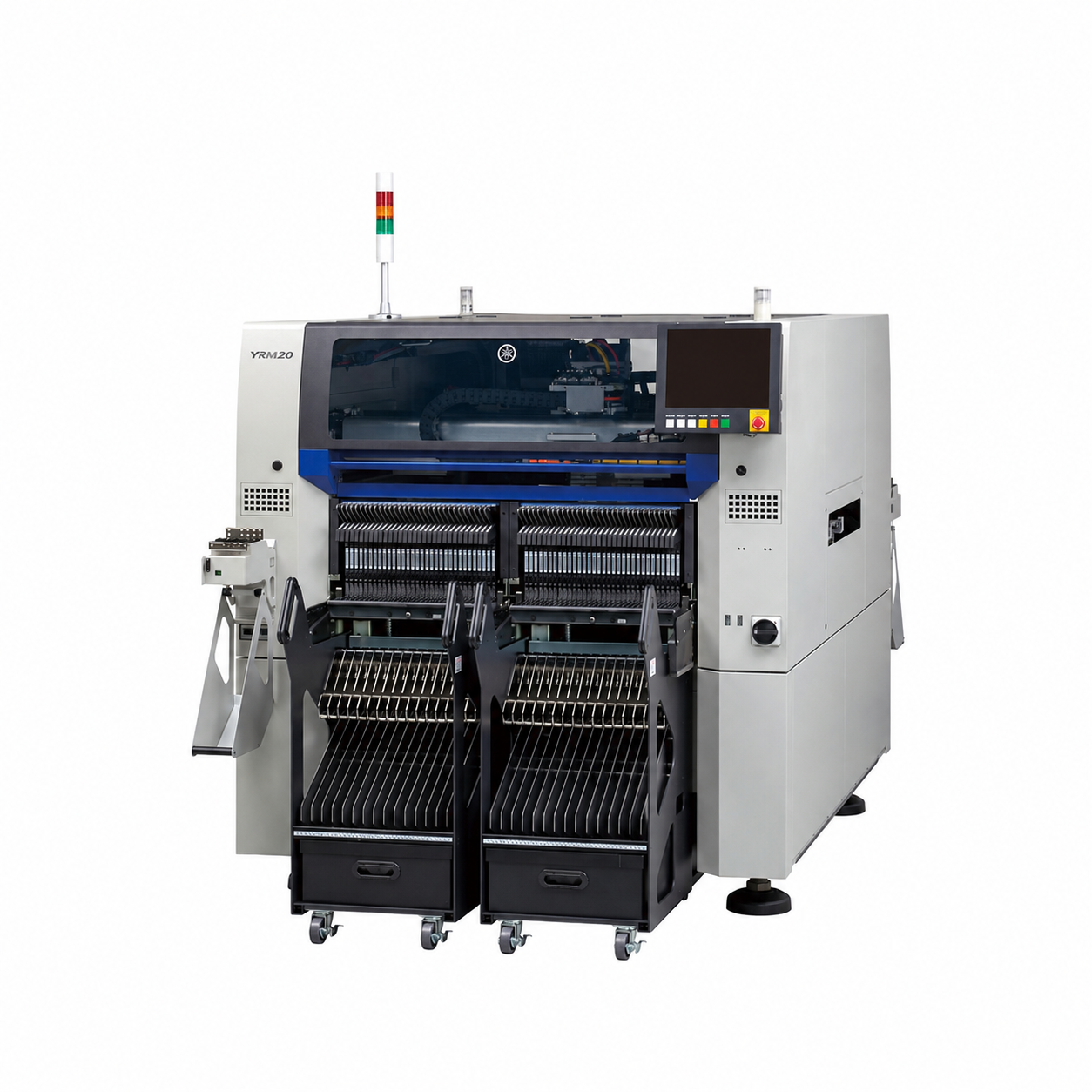
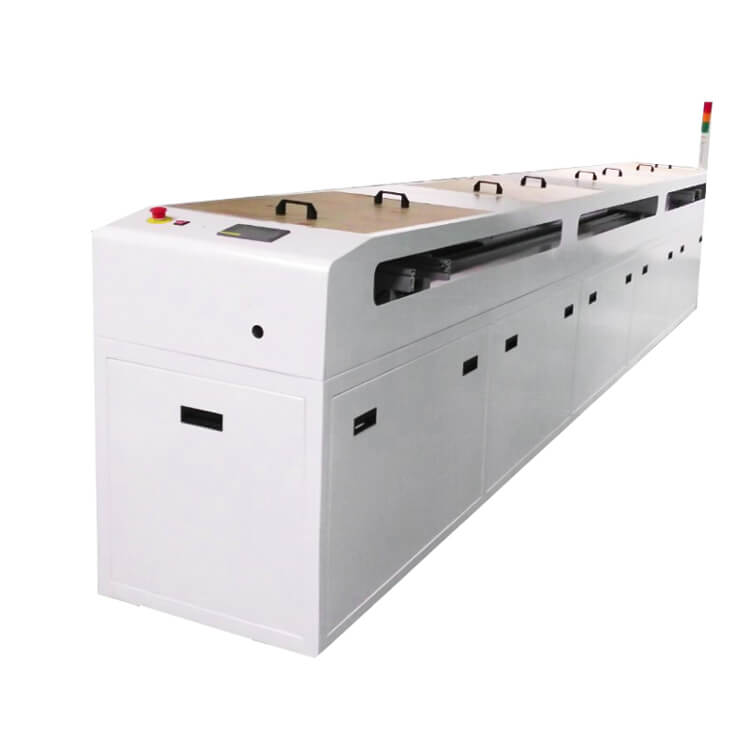


Product Description
Reliable PCB Transfer for Modern SMT Production Lines
In a high-output electronics factory, the movement of boards between machines is just as important as placement accuracy or inspection performance. A well-designed SMT Shuttle Conveyor supports smooth board routing between process stations, helping manufacturers maintain rhythm across the entire line. Whether the goal is to connect placement equipment, inspection units, buffers, or manual work areas, this system is built to provide controlled and automatic PCB movement in demanding assembly environments.
As a practical PCB Transfer Conveyor, it is used to move circuit boards from one production stage to another without unnecessary operator intervention. This improves repeatability, lowers handling risk, and helps reduce bottlenecks caused by inconsistent board flow. For factories focused on stable output and lean operation, conveyor routing is no longer a secondary detail; it is a key part of overall line performance.
The shuttle structure is especially valuable when a standard straight conveyor cannot provide the routing flexibility required by a complex SMT Production Line. By enabling boards to move efficiently between different equipment positions, the system supports balanced production planning and cleaner integration between upstream and downstream processes. The result is more dependable transfer, better use of floor space, and stronger control over in-line board handling.
Core Functions and Operating Value
This solution is designed for Automated PCB Transport in electronic assembly applications where speed, stability, and routing flexibility matter. It is commonly placed between SMT machines and related production equipment to create a connected, more responsive workflow. Instead of relying on manual unloading and reloading, the conveyor helps boards travel automatically to the next required station.
- Automatic transfer of PCBs between SMT process equipment
- Flexible routing between production, inspection, and buffer stations
- Reduced dependence on manual board handling
- Improved consistency in board flow across the line
- Support for more stable and organized line operation
In real production settings, these functions help manufacturers solve common challenges such as uneven machine loading, unnecessary operator movement, and transfer interruptions between isolated stations. By integrating a shuttle-based conveyor into the line, engineering teams can create a more predictable material flow while improving workstation coordination.
Why Shuttle Transfer Matters in SMT Line Automation
A modern SMT Conveyor System should do more than move boards in a straight path. It should support production logic. In many factories, board transfer routes must adapt to inspection loops, selective buffering, machine layout limitations, or different process priorities. A shuttle conveyor addresses these practical needs by offering a more flexible transfer method within the broader framework of SMT Line Automation.
When integrated correctly, the system contributes to several measurable operational benefits. It helps improve line balance by preventing transfer delays between faster and slower equipment. It also reduces the frequency of manual PCB intervention, which can lower the chance of handling-related mistakes or process disruption. For operations managers, this means a cleaner workflow. For maintenance and engineering teams, it means a transfer method that is easier to align with automated production objectives.
- Enhances continuity between separate SMT processing stages
- Supports automatic routing in more complex line layouts
- Helps reduce non-value-added labor in board movement
- Promotes stable PCB transportation in automated environments
- Improves overall equipment coordination across the line
Applications Across PCB Handling Environments
This type of PCB Handling Equipment is suitable for a wide range of electronics manufacturing applications. It can be used in consumer electronics assembly, automotive electronics production, industrial control board manufacturing, communication device assembly, LED driver production, and other PCB-based processes where automated board transfer is required.
Typical installation points include transitions between placement machines, AOI systems, SPI equipment, buffering areas, rework zones, and custom production stations. Because every line has its own logic, shuttle transfer becomes especially useful in plants where equipment arrangement cannot be served efficiently by simple inline movement alone. It allows process engineers to connect stations more intelligently while maintaining smooth board travel.
Best suited for:
- SMT factories upgrading from semi-automatic to automated transfer flow
- Manufacturers seeking better line balance between process stages
- Production teams aiming to reduce manual board carrying
- Engineers designing flexible routing within constrained floor layouts
- Operations requiring dependable PCB movement between multiple stations
Stable Transport, Better Efficiency, Lower Handling Risk
In electronics assembly, unstable transfer can affect more than logistics. It can interrupt machine utilization, increase waiting time, and introduce avoidable risk during board handling. The value of an SMT Shuttle Conveyor lies in how it helps maintain orderly transport under automated conditions. A stable transfer path supports product quality by minimizing unnecessary board contact and reducing random interruptions caused by manual movement.
Efficiency gains often come from small improvements repeated across thousands of boards per shift. When board routing is automated, operators can focus on supervision, quality checks, and exception handling rather than routine transport tasks. Over time, that shift supports a more controlled production environment and a stronger return on automation investment.
Integration Support from an Experienced SMT Partner
SMT MALLS has been serving the global electronics manufacturing industry since 2009, delivering one-stop SMT equipment and spare parts solutions backed by deep application knowledge. With 17 years of industry experience and more than 200 full production lines supplied across Europe, South America, and Asia, our team understands how transfer equipment fits into real production conditions, not just catalog specifications.
We support customers with a practical approach based on actual line requirements. Our principle of Investigation before Quotation helps ensure that every equipment recommendation is aligned with process needs, layout logic, and expected output. Test videos and technical support are provided to help customers evaluate equipment with confidence before delivery. This commitment reflects our focus on reliability, transparency, and long-term production value.
For manufacturers building or optimizing an SMT Production Line, choosing the right transfer solution is essential. A shuttle conveyor is not simply a connector between machines; it is an important part of coordinated automation. When stable board flow, flexible routing, and improved production efficiency are priorities, this system offers a dependable answer for automated PCB handling.
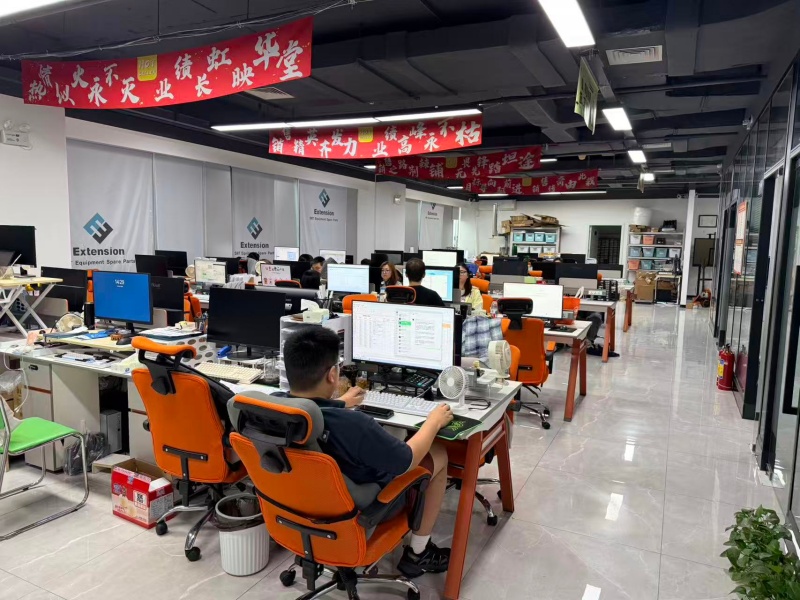
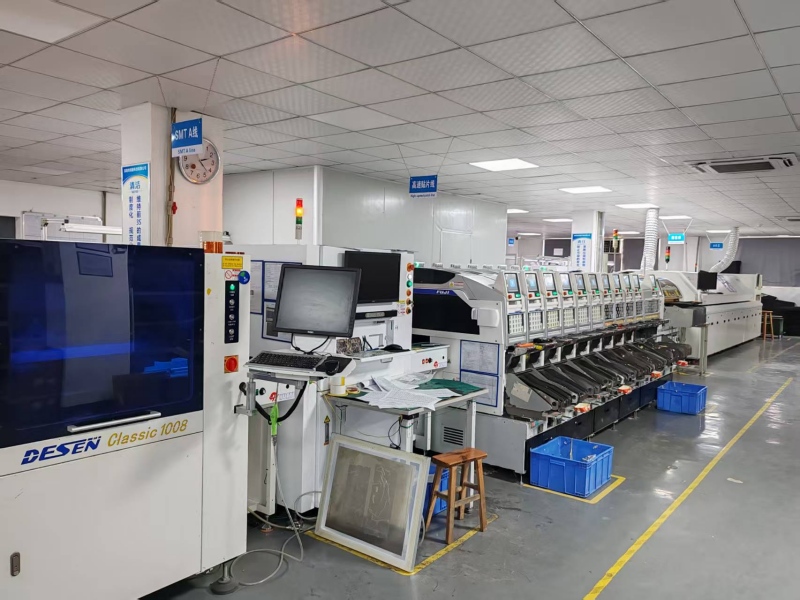
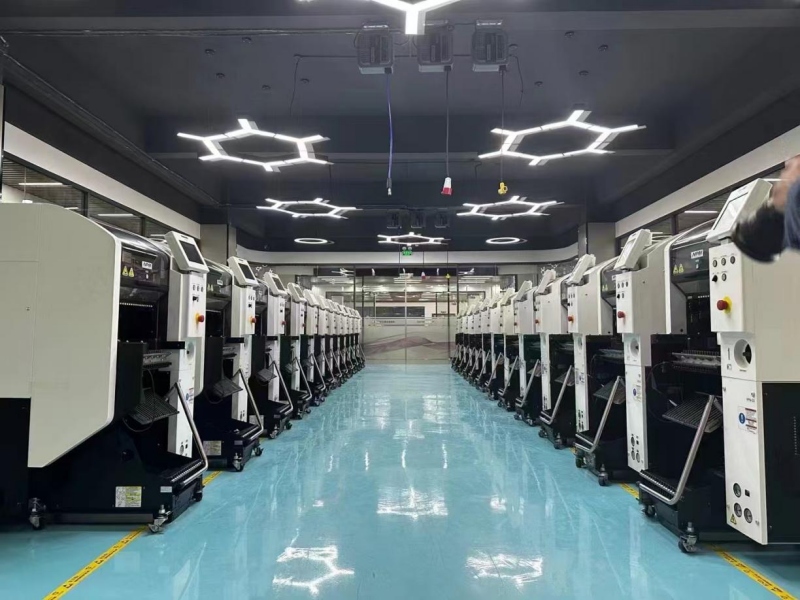
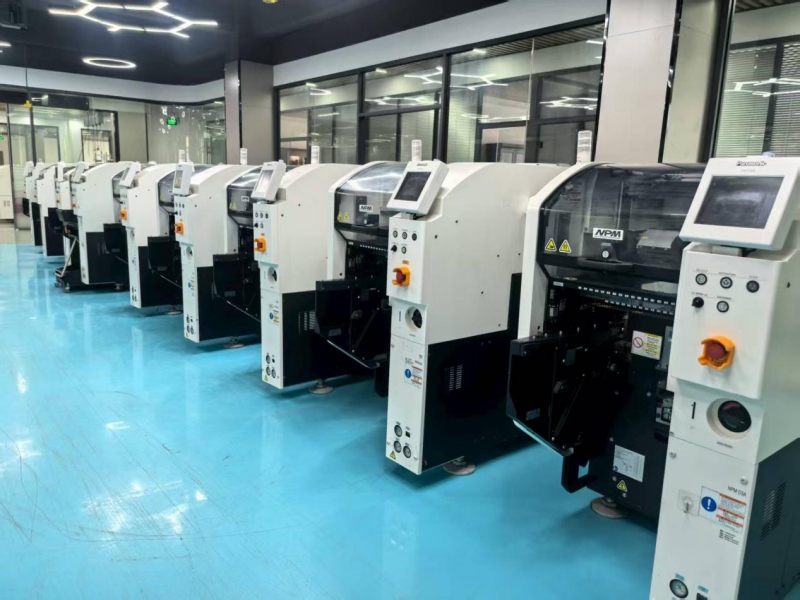
Our Factory
Message
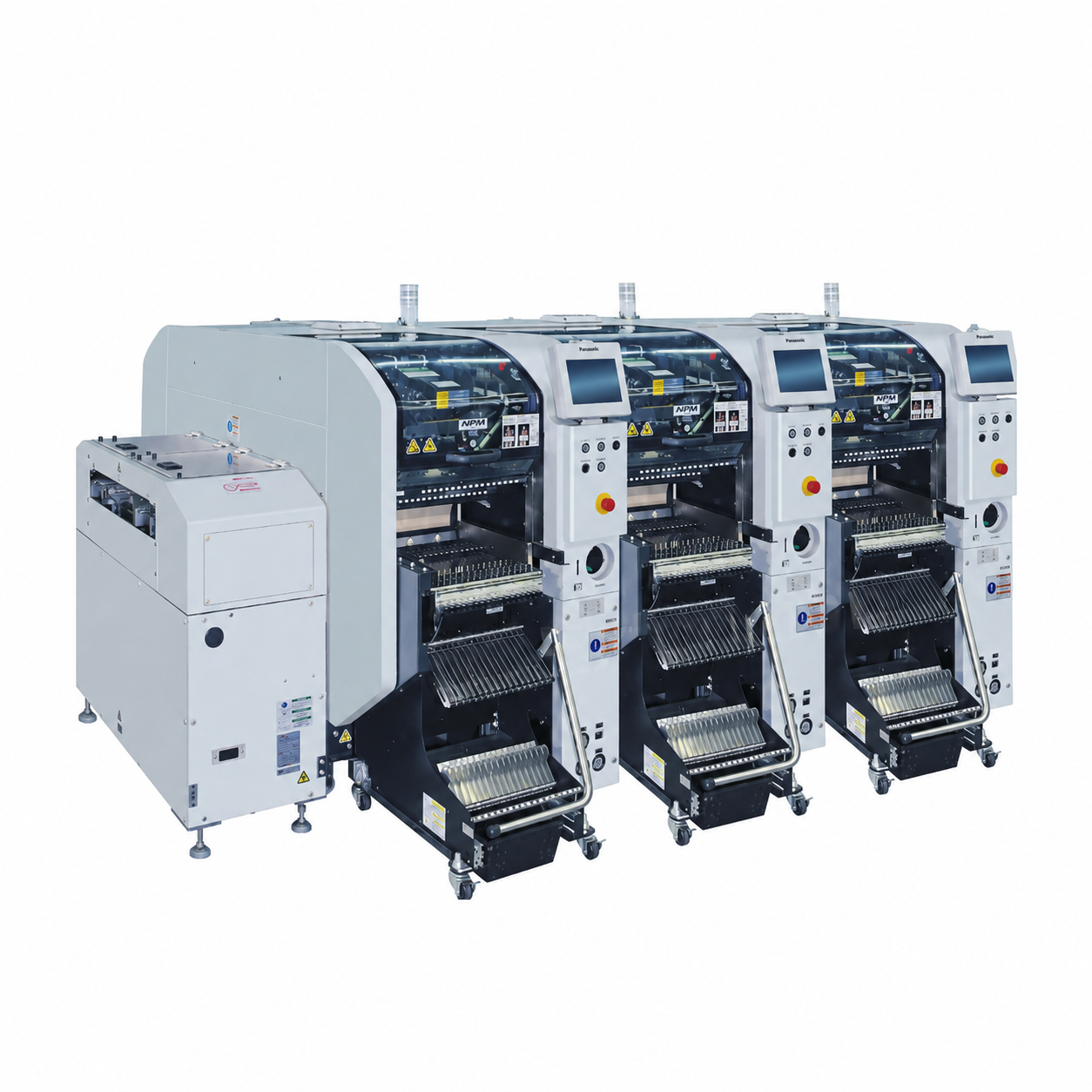
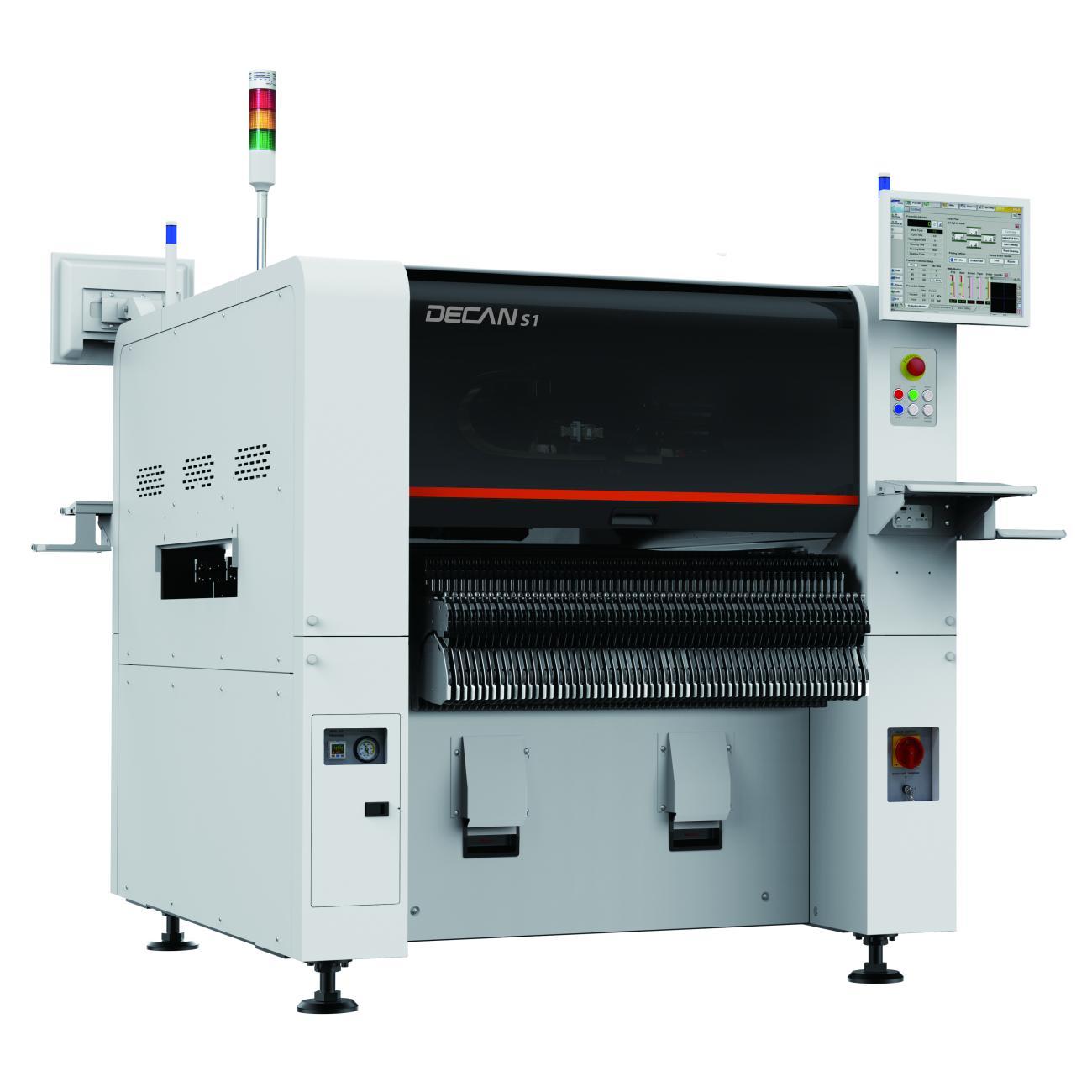
Products Recommended
GET A FREE QUOTE
Simply fill in the information to get a free quote! Our professional team customizes photovoltaic solutions for you, provides accurate quotes, and rejects hidden consumption!
