





Product Description
Product Overview
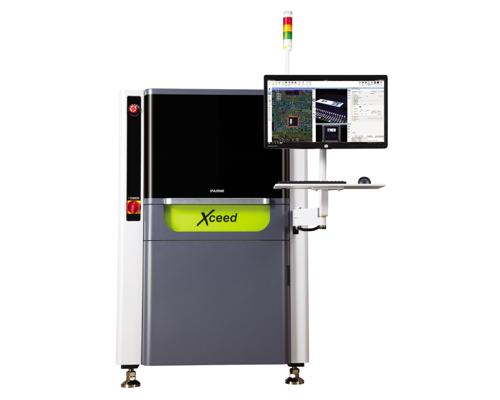
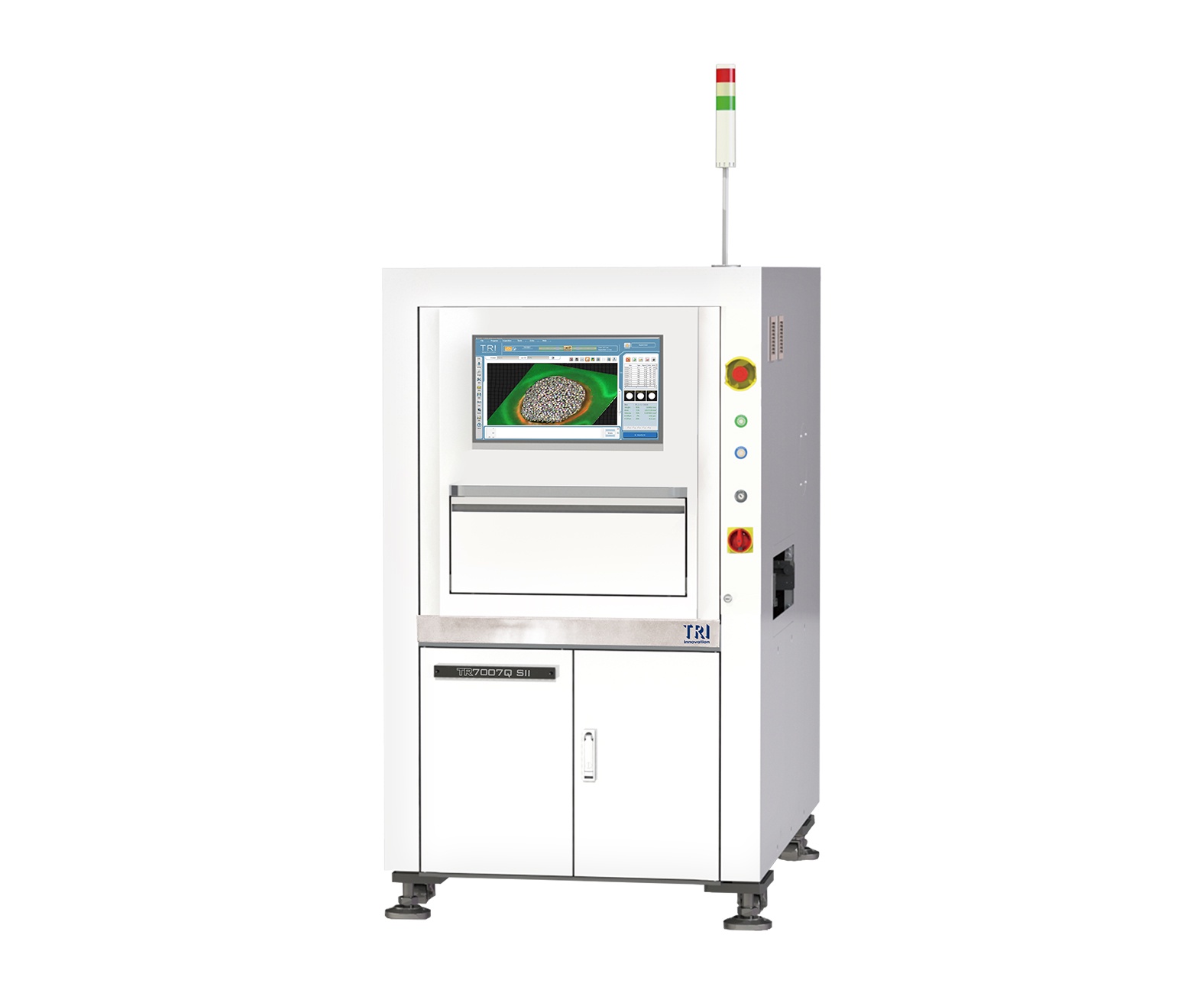
Built for modern SMT environments where speed and consistency must go hand in hand, the TR7007D SII is designed to raise inspection capacity without forcing manufacturers to compromise on accuracy. This model is especially well suited to dual-stream production where every second of board transfer time affects total output. By combining a dual-lane architecture with the upgraded SII platform, the system helps factories increase utilization, stabilize print quality, and respond faster to process variation before defects move downstream.
For electronics manufacturers handling mixed production, frequent changeovers, or growing throughput targets, this platform delivers a practical advantage. The TRI TR7007D SII supports flexible inspection strategies for each lane, making it easier to run different PCB designs in parallel while maintaining clear process visibility. In real production terms, that means less waiting between boards, fewer hidden print issues, and better control over solder paste quality at the point where it matters most.
Why Dual-Lane Matters in SMT Printing Inspection
In many SMT lines, SPI performance is not only measured by inspection speed alone. True efficiency depends on how well the system fits the rhythm of the entire printing process. The TR7007D Series addresses this challenge with a dual-lane concept that is optimized for twin-stream production. Instead of creating a bottleneck between the printer and downstream placement stages, the machine helps maintain smoother board flow and better use of available line capacity.
This is where a Dual Lane SPI solution becomes a strong investment. When two lanes can be managed efficiently, board handling time is reduced and machine idle time is minimized. For factories under pressure to increase output without expanding floor space, that benefit is highly practical. The result is a more balanced line, stronger scheduling flexibility, and improved return on equipment investment.
Key Operating Advantages
- Optimized for dual-stream SMT production to improve total line throughput.
- Independent lane control enables different boards to be inspected simultaneously.
- Upgraded SII platform supports faster inspection cycles than earlier generations.
- High-accuracy structured light projection enhances solder paste defect detection.
- Integrated SPC tools simplify trend analysis and process drift monitoring.
Faster Inspection with the SII Platform
One of the most important improvements in this model is the performance boost delivered by the SII platform. According to the provided product information, inspection cycles can be up to 50% faster than previous generations. For users comparing equipment based on measurable productivity gains, this is a meaningful advancement. A faster cycle does not simply shorten inspection time; it can help the entire line recover capacity, especially in busy shifts, high-mix runs, or operations where throughput margins are tight.
As a High Throughput SPI solution, this machine is positioned for manufacturers who need to move more product through the line while still catching print-related defects early. That matters because solder paste issues are among the most influential root causes of downstream assembly problems. By identifying bridges, insufficient solder, and offset conditions before placement and reflow, the system supports better first-pass yield and lower correction costs later in the process.
Inspection Flexibility for Mixed PCB Production
Not all factories run long, repetitive batches. Many manufacturers today must support a broad mix of boards, changing customer requirements, and shorter production windows. The flexible lane control built into the TRI TR7007D SII directly addresses that reality. Each lane can be controlled independently, allowing different PCB designs to be inspected at the same time. For production planners and line engineers, this creates a more adaptable inspection setup without sacrificing process discipline.
This level of adaptability makes the system a strong fit for Flexible SMT Inspection environments, where minimizing downtime and simplifying product transitions are key operational priorities. It is also a practical choice for EMS providers, consumer electronics manufacturers, automotive electronics suppliers, and industrial control producers that regularly switch between product families.
Typical Application Scenarios
- Dual-lane SMT lines focused on maximizing output per square meter.
- High-mix assembly operations requiring simultaneous inspection of different PCB types.
- Quality-driven factories aiming to reduce print-related escapes before placement.
- Smart manufacturing sites that rely on data feedback for continuous process improvement.
Accurate 3D Process Control for Zero-Defect Goals
Print inspection is only valuable when the measurement data is precise enough to support corrective action. The TR7007D SII uses high-accuracy structured light projection to improve detection of common solder paste defects. This is especially important in fine-pitch assemblies and quality-sensitive applications, where even small print deviations can affect component placement stability and final solder joint integrity.
For users searching for dependable Solder Paste 3D inspection capability, this system is built around practical defect prevention rather than simple pass/fail screening. Better measurement clarity helps teams identify patterns such as recurring under-print, bridging tendencies, or positional shifts linked to stencil wear, support settings, or print parameter drift. In other words, the machine supports a true process control role on the line, not just a final check after printing.
Smart Factory Readiness and Data-Driven Improvement
The integrated SPC software extends the value of the inspection hardware by giving process engineers access to real-time trend analysis. Instead of waiting for visible defects to accumulate, teams can monitor printing behavior and react earlier when drift appears. This is particularly valuable in high-volume or tightly controlled production where small variations can quickly become yield losses across many boards.
As part of the broader Twin Stream SPI approach, data visibility across both lanes supports quicker diagnosis and more confident process decisions. Whether the issue is stencil contamination, paste consistency change, alignment movement, or printer parameter instability, earlier detection helps reduce scrap and limit unplanned downtime. That aligns well with smart factory strategies focused on traceability, prevention, and continuous improvement.
Why Source from SMT MALLS
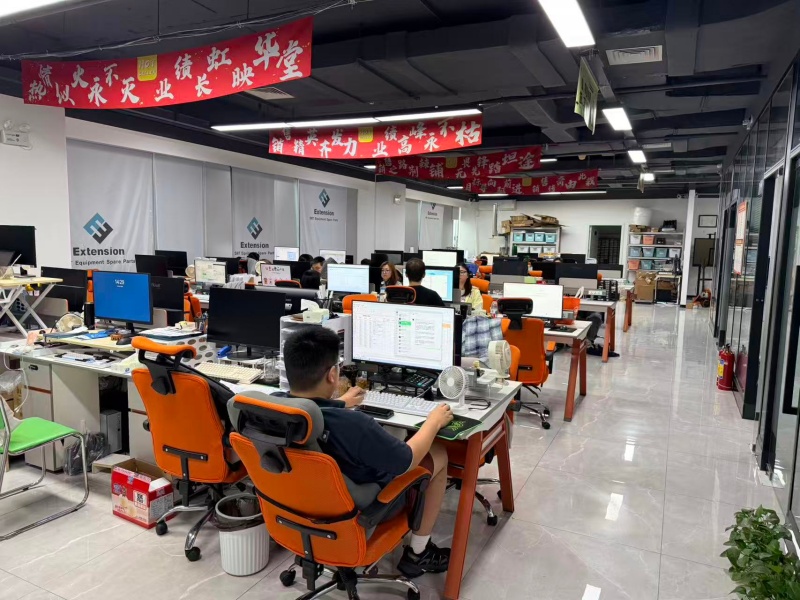
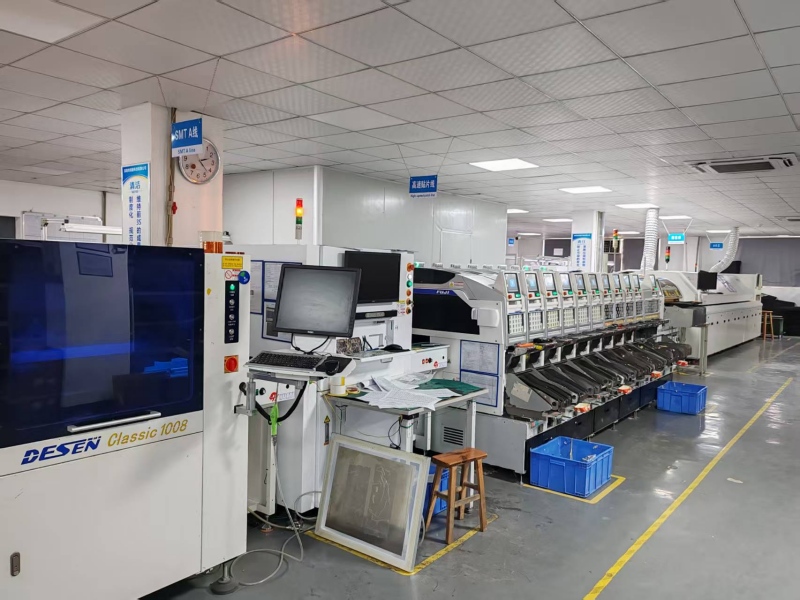
SMT MALLS has served the electronics manufacturing industry since 2009, providing one-stop SMT equipment and spare parts solutions to customers across Europe, South America, and Asia. With 17 years of industry experience and more than 200 full production lines delivered, our team understands that equipment value depends not only on specifications, but also on supply reliability, technical verification, and responsive support.
Our operating principle, “Investigation before Quotation,” reflects a practical commitment to quality and transparency. Every equipment recommendation is backed by careful review, and every shipment is supported by test videos and technical assistance to help customers buy with confidence. For manufacturers evaluating the TR7007D Series, that means a more dependable sourcing experience and a partner that understands real production demands.
Who Benefits Most
The TR7007D SII is best suited to SMT manufacturers that want to increase inspection throughput, improve print consistency, and manage dual-lane production more intelligently. It is a particularly strong match for factories seeking early defect detection, better use of line time, and actionable process data from SPI. If your operation needs speed, flexibility, and stronger solder paste control in one platform, this model offers a focused and production-relevant solution.
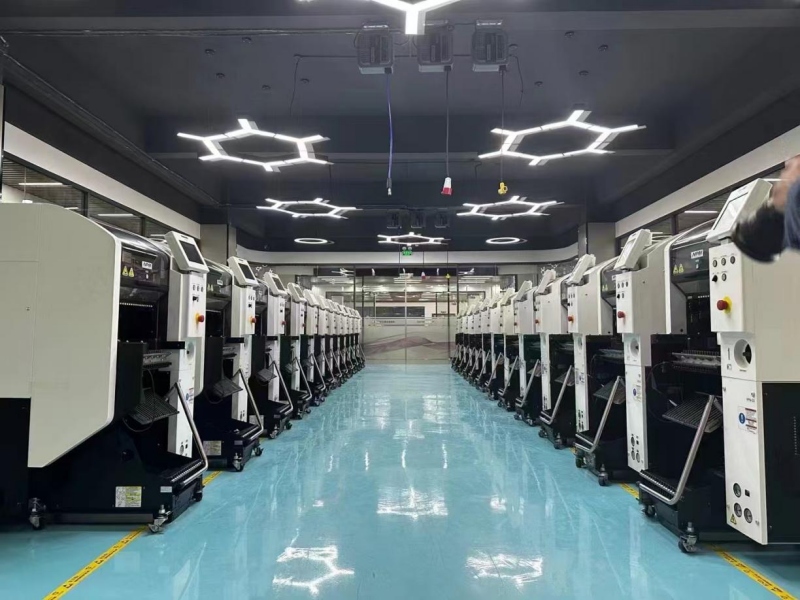
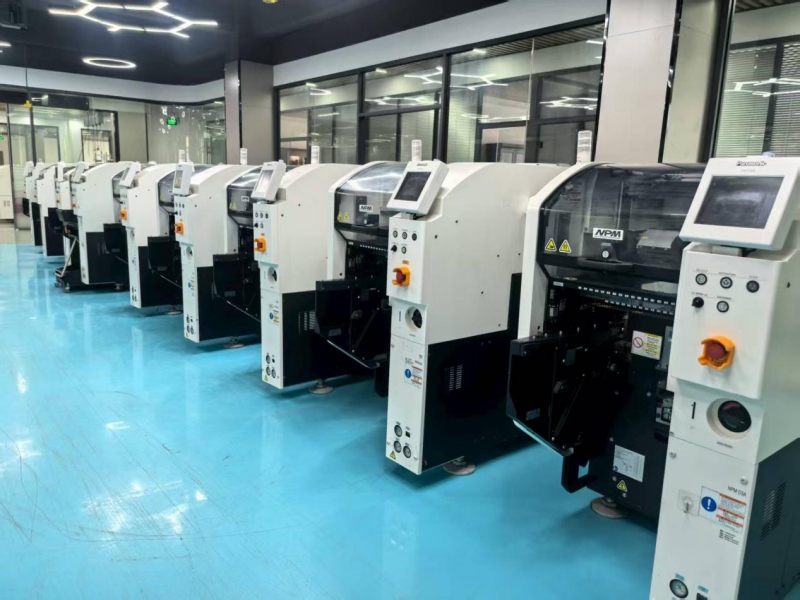
Our Factory
Message
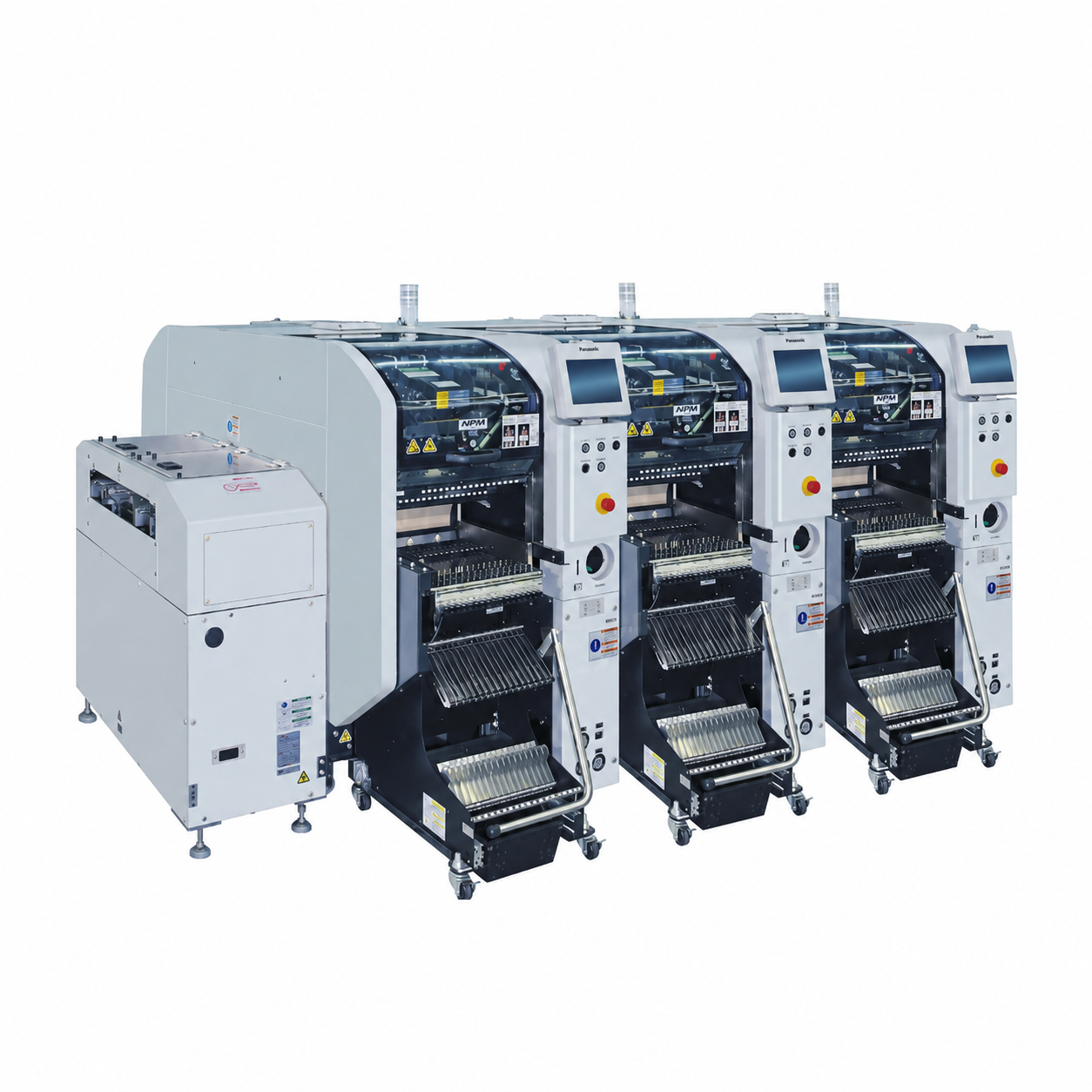
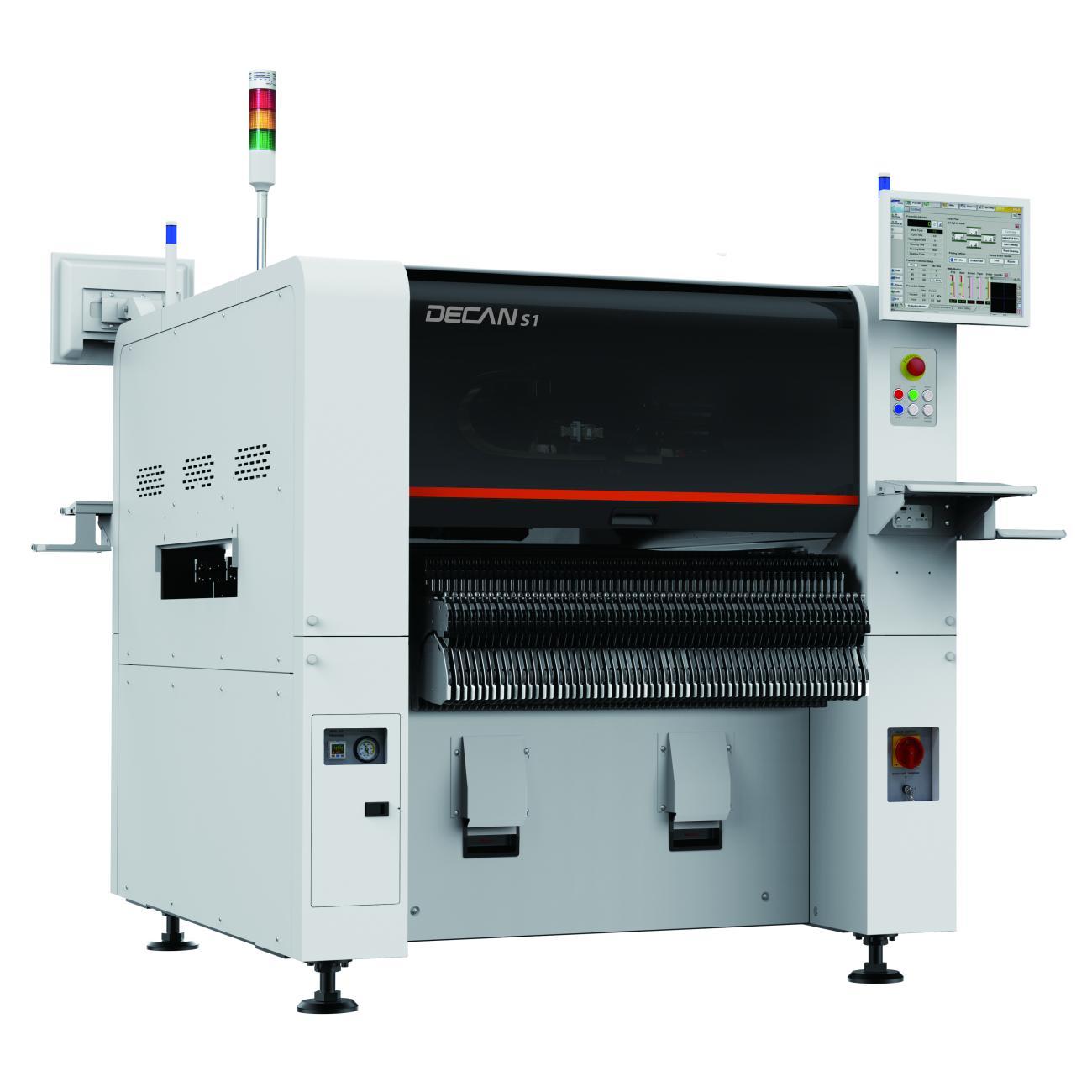
Products Recommended
GET A FREE QUOTE
Simply fill in the information to get a free quote! Our professional team customizes photovoltaic solutions for you, provides accurate quotes, and rejects hidden consumption!
