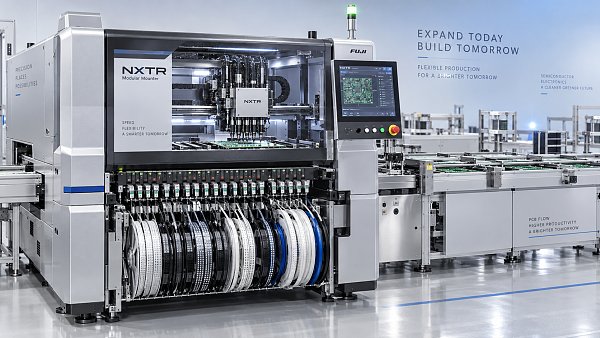
Renting an NXTR placement machine can protect delivery commitments when a production ramp, delayed equipment arrival, or temporary outage creates a shortfall in assembly capacity.
The decision depends on whether the proposed machine can produce qualified boards before your deadline, with compatible feeders, reliable line integration, and clearly assigned support.
For project managers evaluating NXTR placement machine rental (NXTR实装机出租), the priority is verified production readiness, followed by total deployment cost and contractual flexibility.
Will the Rental Actually Close Your Capacity Gap?
Start with the production shortfall: required boards, product mix, delivery dates, and available shifts. Translate that demand into additional good boards needed per operating hour.
Calculate the gap using demonstrated output from comparable products. Published placement rates cannot account for your component distribution, changeovers, inspection requirements, or production interruptions.
Check the complete assembly process before selecting equipment. Additional placement capacity provides limited benefit when solder paste printing, reflow, inspection, or testing already restricts throughput.
For example, a line producing 90 qualified boards hourly cannot reach 130 simply by increasing placement speed if downstream testing remains limited to 100.
Build a timeline from equipment release through transport, installation, programming, qualification, and stable production. The relevant milestone is accepted output, rather than physical machine arrival.
Subtract deployment and qualification time from the rental period when estimating productive capacity. A short contract may provide fewer useful production days than initially expected.
Proceed when realistic incremental output covers the shortfall within the required window. If it does not, compare overtime, subcontract assembly, or temporary production redistribution.
What Must Be Confirmed About the NXTR Configuration?
FUJI NXTR equipment should be assessed by its actual supplied configuration. A model designation alone does not establish compatibility with your products or existing infrastructure.
Request the exact machine identification, installed modules, placement heads, software versions, and included options. Obtain current configuration records and evidence of operating condition before committing.
Check supported board dimensions, board thickness, component sizes, placement accuracy requirements, and component height limits against every product scheduled during the rental period, including variants.
Pay particular attention to fine-pitch devices, small passive components, connectors, and unusual packages. Their handling requirements may affect nozzle selection, recognition settings, and achievable throughput.
For semiconductor devices with moisture sensitivity or handling restrictions, confirm that the surrounding material process supports approved floor-life control, traceability, and electrostatic discharge protection requirements.
Have the supplier review a representative bill of materials, placement data, and board drawing. Identify unsupported packages or configuration changes before agreeing to delivery dates.
Document suitability by product family. A machine suitable for one high-volume board may require additional tooling, engineering work, or accessories for another planned assembly variant.
Are Feeders, Programs, and Accessories Included?
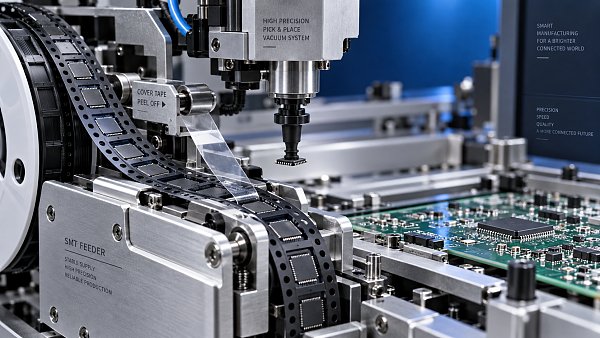
Feeder availability can determine whether a rental becomes productive immediately or sits idle. Confirm the required feeder types, quantities, tape widths, and supply arrangements individually.
Do not assume feeders from another machine platform will transfer directly. Verify compatibility for the supplied NXTR configuration, including any required carts, interfaces, or software.
Include tray-fed and other nonstandard components in the review. Their presentation method, replenishment process, and available hardware can materially change deployment time and operator workload.
Request an itemized accessory list covering nozzles, tooling, board supports, carts, calibration items, and any applicable feeder preparation equipment. Assign responsibility for missing items.
Program availability also needs confirmation. Existing placement coordinates may require conversion, while component libraries, vision settings, and placement parameters may need creation or validation.
Ask who performs data preparation, who approves library changes, and how much engineering assistance is included. Establish access rights and backup procedures before production begins.
Where material verification or traceability is required, confirm that the rental supports your workflow. Include licenses, scanners, interfaces, and configuration effort in the deployment scope.
How Will It Fit Into the Existing Production Line?
Integration begins with physical feasibility: machine footprint, delivery access, floor loading, service clearances, utilities, and safe operator movement. Confirm requirements using the supplied configuration documentation.
Review upstream and downstream conveyor interfaces, board flow direction, transfer height, and communication requirements. Apparently minor mismatches can prevent continuous operation after installation is complete.
Check power, compressed air, environmental conditions, and network access against supplier specifications. Arrange site preparation early enough to resolve deficiencies before the equipment reaches your facility.
If production reporting depends on factory systems, define the necessary connectivity. Separate essential launch functions from reporting enhancements that can wait until production stabilizes safely.
Assign named owners for rigging, utilities, mechanical installation, software setup, process engineering, and quality approval. A shared schedule should show dependencies and required completion dates.
Require a readiness review before dispatch. This should confirm site preparation, accessories, engineering data, installation resources, and the availability of materials for trial production runs.
Keep a recovery plan for installation delays. Depending on urgency, that may include reserved overtime, a qualified subcontractor, or a temporary adjustment to customer delivery sequencing.
What Evidence Should Define Production Acceptance?
A rental should be accepted against agreed production requirements. Successful power-up demonstrates basic operation, but does not establish that the machine can meet your schedule.
Define acceptance criteria before signing: representative products, output targets, placement quality, traceability requirements, and the duration of the trial. Specify how results will be measured.
Use production materials and representative board variants wherever practical. A simplified demonstration may hide feeder changes, difficult components, or recurring stoppages encountered during normal manufacturing.
Assess sustained good-board output alongside placement defects, rejects, and rework. Brief peak speed provides weak evidence when interruptions substantially reduce the number of shippable assemblies.
Agree which factors belong to machine performance and which arise from materials or adjacent processes. Clear boundaries help resolve issues without delaying corrective action unnecessarily.
Record the approved programs, settings, tooling arrangement, and baseline results. These records support troubleshooting and prevent uncertainty when shifts, operators, or product variants change later.
Clarify whether rental billing starts at dispatch, delivery, installation, or acceptance. The contract should also explain the remedy if agreed acceptance criteria cannot be achieved.
Does the Financial Case Hold Beyond the Monthly Rate?
Compare the total cost of securing qualified production capacity with the financial consequences of the shortfall. Monthly rental price represents only part of that calculation.
Include freight, insurance, rigging, installation, feeders, tooling, programming, training, maintenance responsibilities, and return transport. Add realistic internal engineering time and any required facility preparation costs.
For illustration, assume two months of rent total $36,000, logistics and installation cost $9,000, and tooling plus engineering add $5,000. Deployment cost is therefore $50,000.
If the rental enables 20,000 additional shippable boards, its incremental deployment cost is $2.50 per board, before additional labor, consumables, and other variable production costs.
Compare this with contribution retained, documented delay charges, subcontracting costs, and expedited freight avoided. Use incremental benefits consistently and avoid counting the same benefit twice.
Test a downside case with later qualification, lower utilization, and an extended rental term. A project that works only under ideal conditions needs stronger contingencies.
For continuing demand, compare rental with purchase over the expected usage period. Include financing, service, residual value assumptions, and the cost of waiting for purchased equipment.
Which Support and Contract Terms Protect the Schedule?
Technical support should be defined by practical commitments: coverage hours, response targets, remote access arrangements, escalation contacts, and the conditions for an on-site engineer visit.
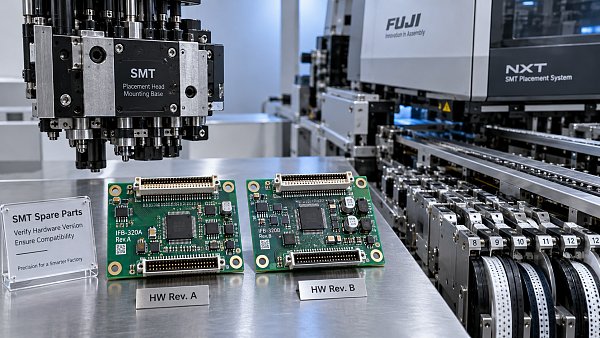
Confirm spare-parts availability for the supplied equipment and identify responsibility for diagnosis, replacement labor, consumables, and wear items. Ask how critical failures would be handled.
Distinguish an initial response commitment from a restoration commitment. An engineer acknowledging a fault quickly does not establish when production can resume or capacity returns.
Review maintenance records and the proposed preventive maintenance schedule. Allocate service windows around delivery commitments and establish how planned maintenance affects the rental billing period.
Address downtime credits, replacement arrangements, extension pricing, early return, cancellation, and liability for damage. Record any promised remedy in the agreement rather than relying on conversations.
Confirm operator training and maintenance boundaries before handover. Your team should know which adjustments are permitted, which require supplier approval, and how incidents are documented.
Protect production data through agreed access controls, backup ownership, and return procedures. Include removal of confidential programs and factory credentials when the rental equipment leaves.
What Should You Send With a Rental Inquiry?
A useful inquiry gives the supplier enough information to assess technical fit and delivery feasibility. State the required production start date and expected rental duration.
Provide product dimensions, representative component information, planned volumes, shift patterns, and required output. Identify unusual packages, quality requirements, and any restrictions on sharing manufacturing data.
Describe the existing line, available utilities, feeder inventory, and software environment. Include installation location, access constraints, and the support coverage your production schedule requires locally.
Request a written proposal separating equipment availability, included accessories, engineering services, acceptance testing, and commercial terms. Ask the supplier to identify unresolved dependencies and assumptions.
SMT MALLS focuses on SMT/THT assembly equipment, original machine spare parts, and complete PCB assembly line solutions, providing context for a broader line-level discussion with suppliers.
For any NXTR rental inquiry, confirm current availability, configuration, service territory, and support scope directly. The stated business focus alone does not establish rental inventory.
Evaluate proposals against the same production requirements and cost categories. This makes differences in readiness, support, and exclusions visible before a lower headline rate drives selection.
Make the Decision Around Qualified Output by the Deadline
Renting an NXTR placement machine makes sense when placement is the actual constraint, deployment fits the available window, and qualified output justifies the complete cost.
Before approving the project, require documented configuration suitability, an achievable installation schedule, measurable acceptance criteria, and support commitments aligned with the consequences of production downtime.
If those conditions remain uncertain, resolve them before treating rental capacity as committed. Keep alternative production arrangements available until trial results demonstrate reliable, sustained output.
The strongest rental decision connects equipment capability to a delivery outcome: enough accepted boards, produced on time, at a cost the project can clearly defend.