





Product Description
Product Overview
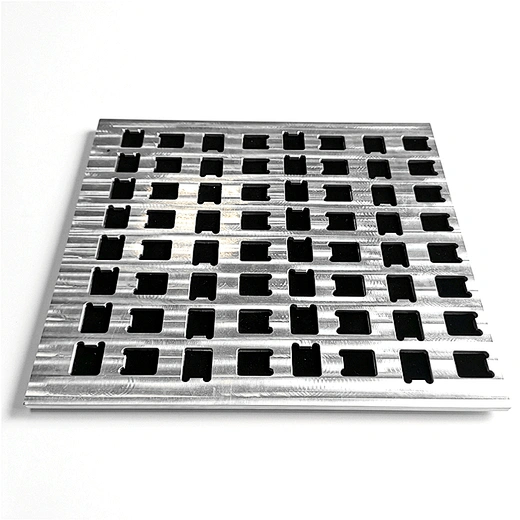
In automated SMT production, consistency at the feeding and presentation stage has a direct impact on placement accuracy, inspection reliability, and changeover efficiency. This aluminum matrix tray sheet is built as the original tray format for Fuji XP2 series PAM systems, supporting precise component management where odd-form parts and ICs must be presented in a repeatable, machine-ready layout. For manufacturers running demanding assembly schedules, a correctly specified tray sheet is not a minor accessory; it is part of the process foundation.
Designed for use as the original matrix palette sheet under Part No. ADNPJ8021, this solution supports secure component seating, stable handling, and dependable interaction with the PAM automatic exchange mechanism. The precision pocket structure helps maintain part orientation and position during high-speed production, while the aluminum base and specialized surface finish improve visual contrast for presence sensing and recognition tasks. In practice, that means fewer avoidable interruptions and more predictable performance across repeated production cycles.
Whether you refer to it as Fuji Z9734ADNPJ8021, an XP2 PAM Sheet, or a Matrix Palette used in Fuji automation, its role is the same: to help the PAM system present components cleanly and consistently to the assembly process. For maintenance teams, process engineers, and spare parts buyers, selecting the correct original-format tray sheet is essential when protecting machine compatibility and long-term placement stability.
Detailed Description and Application Value
Built for Fuji XP2 PAM Compatibility
This tray sheet is specifically developed for Fuji XP2 PAM environments as the original matrix tray configuration. That dedicated compatibility matters because PAM system tooling must work in step with the unit’s exchange and handling sequence. A mismatched tray can create feeding inconsistency, poor seating, or unnecessary intervention by operators. By using an original-format sheet intended for the platform, users can maintain smoother integration with the machine’s established workflow and reduce uncertainty during setup.
For production sites that rely on planned maintenance and controlled spare part replacement, this item also fits naturally within a broader sourcing strategy for Fuji Spare Parts. It gives buyers and engineers a clear reference when replacing worn tray sheets in existing PAM installations without introducing avoidable compatibility risk.
Precision Pockets for Stable Component Seating
The rectangular pocket layout is precision-machined to support accurate placement of odd-form components and ICs before pick-up. Good pocket geometry helps prevent unwanted movement, inconsistent orientation, and seating variation that may influence downstream handling. In high-speed SMT lines, small deviations at the tray stage can quickly become larger process issues. A tray sheet that holds each part securely contributes to better repeatability throughout the line.
This is especially important in mixed production environments where component types may vary from lot to lot. A reliable SMT Component Tray must support consistent presentation without adding complexity for operators. The pocket design on this sheet is intended to do exactly that: keep parts organized, accessible, and correctly positioned within the PAM operating sequence.
Surface Contrast That Supports Vision and Sensing
Material finish can significantly affect how reliably a production system detects component presence. This aluminum sheet uses a high-grade base material with a surface treatment designed to provide clear contrast for vision recognition and presence sensing. In real factory conditions, that visual stability helps reduce ambiguity when the machine checks whether a component is seated where it should be.
For teams focused on minimizing false readings, stable contrast is not merely a cosmetic detail. It can support smoother verification, especially in repetitive operation where tray condition and visual consistency matter over time. As part of the broader PAM System Tooling setup, the tray sheet contributes to a more dependable machine-to-component interface.
Dimensional Stability Under Repeated Use
Tray sheets used in active production face recurring thermal and mechanical stress. Over time, poor material stability may lead to warping, seating inconsistency, or gradual loss of alignment. This product is engineered for strong dimensional stability so it can maintain the tray geometry required for precise component presentation through repeated operating cycles.
For process engineers, that long-term stability is directly linked to confidence on the line. When tray flatness and pocket positioning remain consistent, it becomes easier to preserve placement alignment and reduce process drift caused by worn or unstable tooling. That makes this ADNPJ8021 sheet a practical choice for facilities that prioritize stable output over repeated production runs.
Faster Changeovers for High-Mix Manufacturing
High-mix SMT production demands tooling that supports efficient exchange without introducing alignment issues or operator hesitation. The standardized dimensions of this sheet are intended for seamless use with the PAM unit’s automatic exchange mechanism, helping reduce setup time and improve handling consistency during product transitions.
That advantage is particularly relevant for EMS providers and electronics manufacturers balancing frequent job changes with tight delivery targets. When tray loading and exchange are predictable, changeovers become less disruptive and line utilization is easier to protect.
Key Benefits at a Glance
- Original matrix tray sheet format for Fuji XP2 PAM applications
- Precision-machined pockets for accurate component seating
- High-clarity surface contrast for sensing and vision support
- Aluminum construction for repeatable dimensional stability
- Standardized form for smooth PAM automatic exchange handling
- Well suited to high-mix, high-uptime SMT production lines
Typical Users and Use Scenarios
- SMT production engineers seeking reliable tray presentation for odd-form parts and ICs.
- Maintenance teams replacing worn original tray sheets in Fuji XP2 PAM systems.
- Spare parts purchasers standardizing approved replacement items for ongoing machine support.
- EMS factories managing frequent model changeovers and high-mix production schedules.
- PCB assembly solution providers integrating machine-ready tooling into full line support plans.
SMT MALLS focuses on SMT/THT assembly equipment, original machine spare parts, and complete PCB assembly line solutions. For customers sourcing application-specific tooling for Fuji platforms, this tray sheet represents a practical, process-oriented replacement option aligned with the needs of modern automated assembly.
If your goal is stable component presentation, reliable machine compatibility, and efficient tray exchange within a Fuji XP2 PAM workflow, this original-format sheet provides the precision and consistency expected in professional electronics manufacturing.
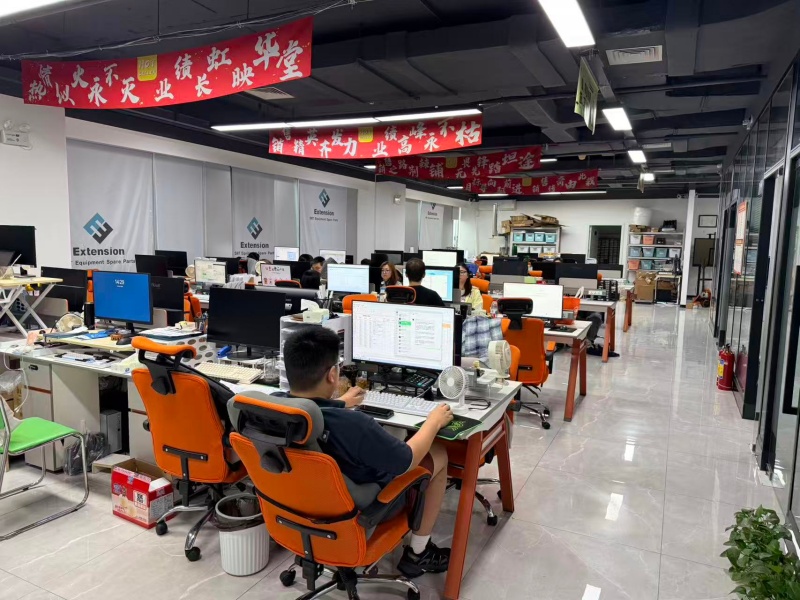
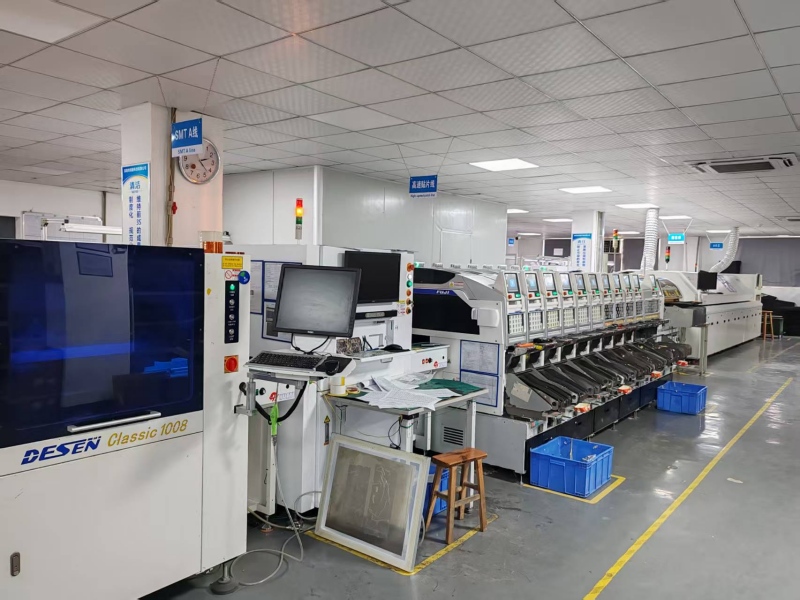
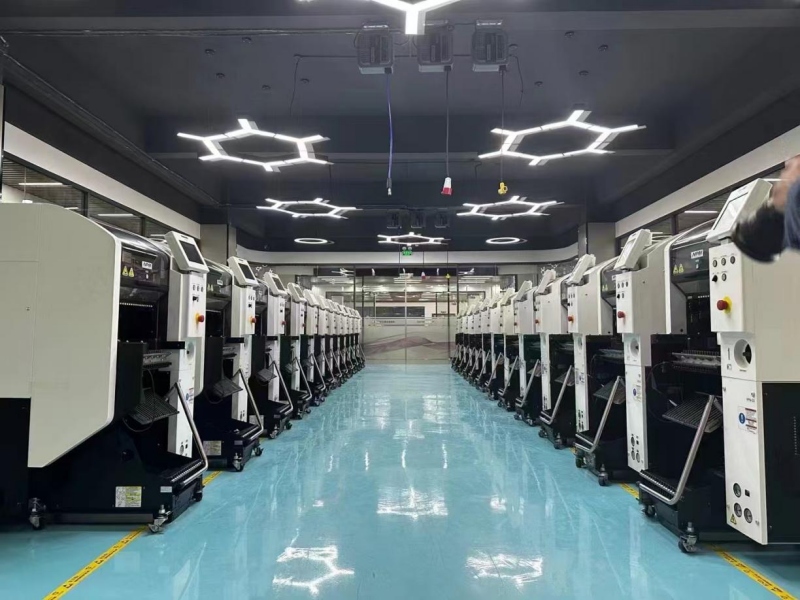
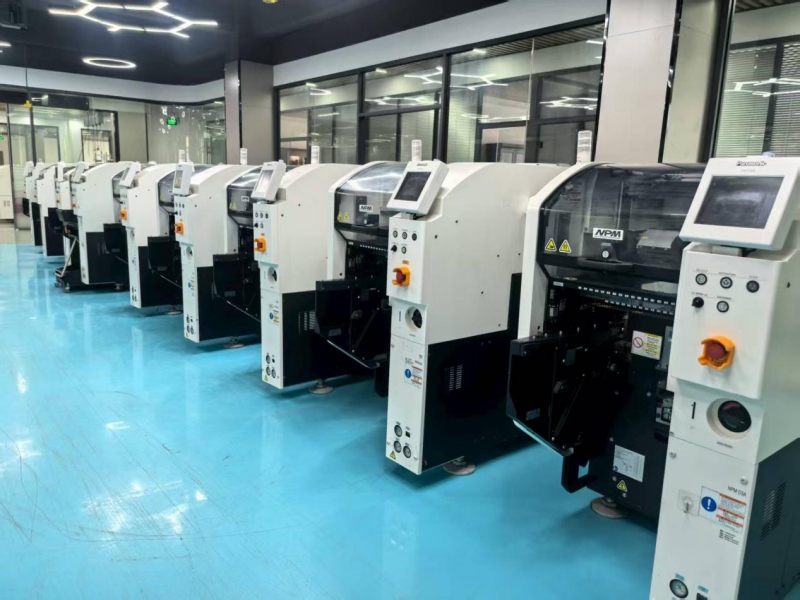
Our Factory
Message
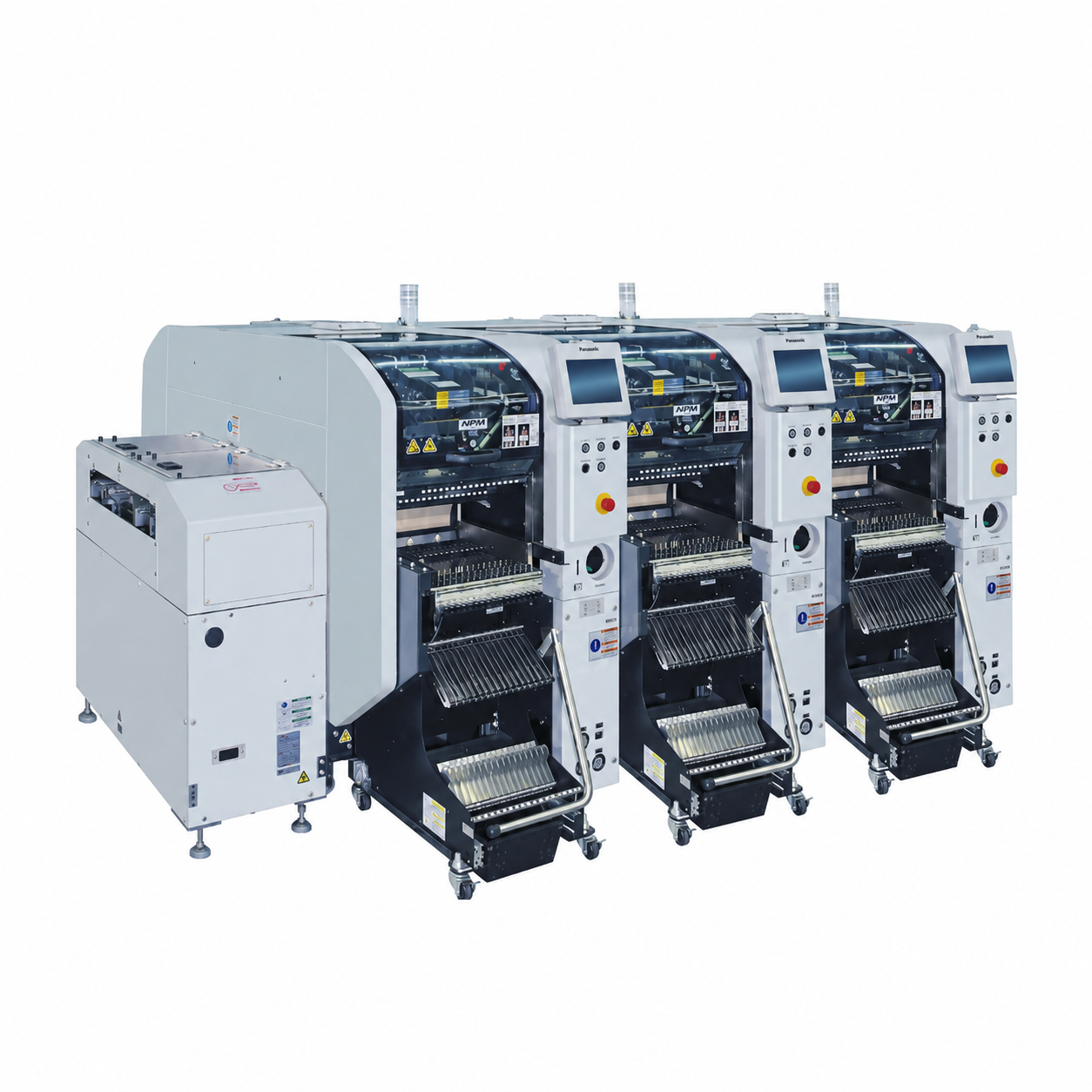
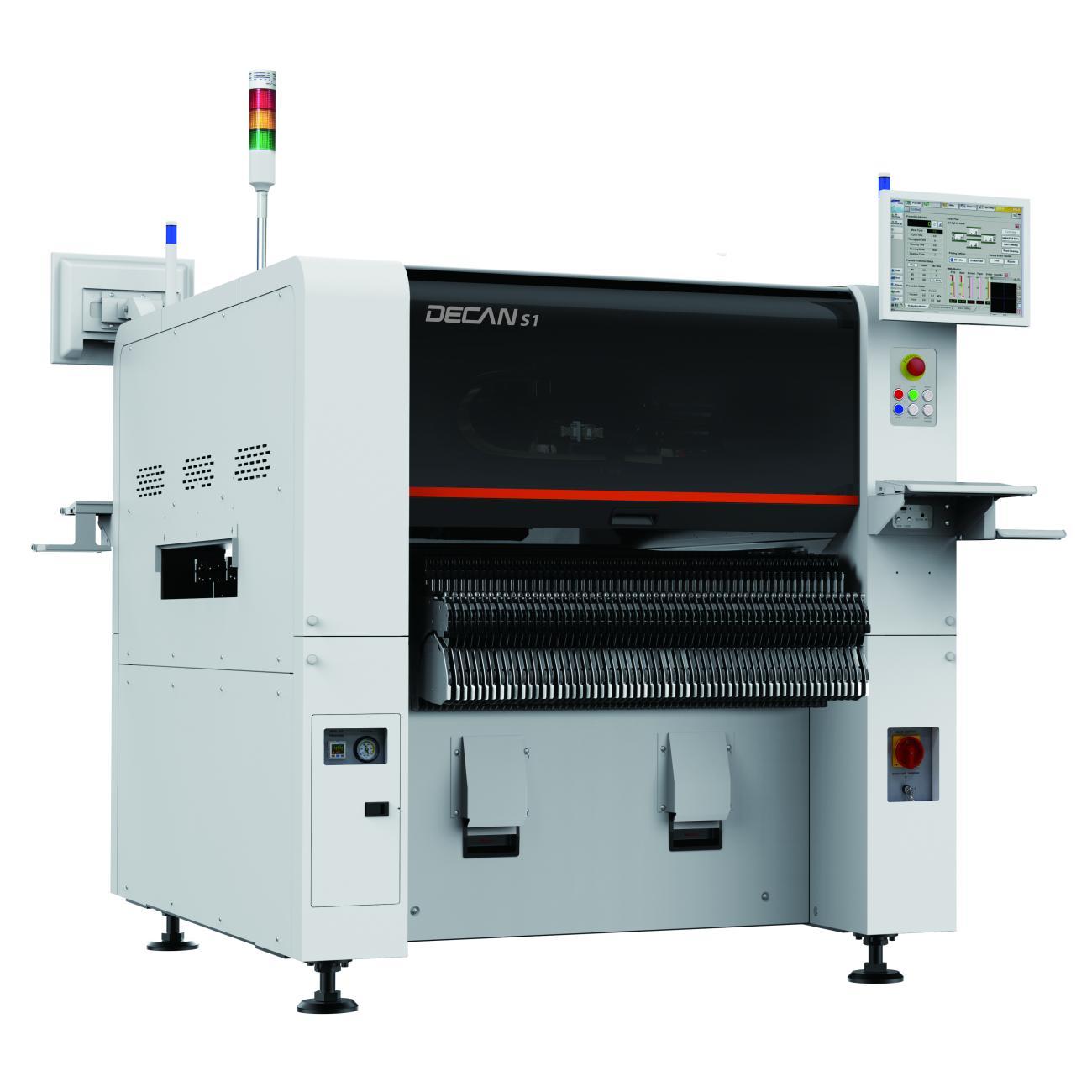
Products Recommended
GET A FREE QUOTE
Simply fill in the information to get a free quote! Our professional team customizes photovoltaic solutions for you, provides accurate quotes, and rejects hidden consumption!
