





Product Description
Product Overview
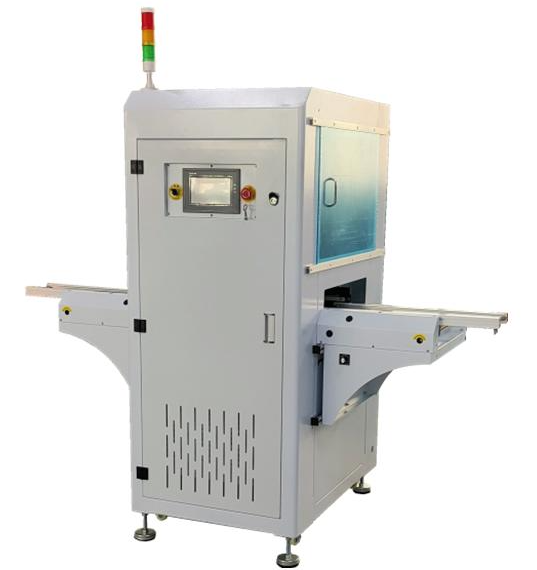
A buffer Unit is designed to create a controlled transition zone between upstream and downstream operations. In practical production environments, equipment rarely works at exactly the same pace at every stage. Small differences in speed, short stops, operator intervention, or product accumulation can quickly affect overall efficiency. This is where a well-integrated buffer Unit adds measurable value. It helps absorb temporary fluctuations in material flow, supports more stable throughput, and reduces the risk of one process immediately disrupting another.
Used in automated and semi-automated systems, this type of solution is especially important in lines where continuity matters. Whether installed between conveyors, packaging stations, inspection points, assembly processes, or transfer sections, the unit serves as a functional balancing point. Instead of allowing products to queue unpredictably or forcing upstream equipment to stop too often, it provides a more orderly way to manage spacing, accumulation, and release. The result is smoother line coordination and better use of available production capacity.
Core Functions in Daily Operation
In real manufacturing settings, line interruptions are often caused by short, routine events rather than major failures. A momentary pause at one station can create a chain reaction across the entire system. By introducing a dedicated intermediate holding area, the equipment helps decouple connected processes and makes the whole line more forgiving.
- Temporarily holds products during short downstream delays
- Helps maintain consistent flow between equipment running at different speeds
- Reduces unnecessary start-stop cycles on connected machinery
- Supports orderly product transfer and spacing control
- Improves overall line resilience during normal production variation
This operating role is valuable not only for high-speed production lines but also for systems where product handling must remain steady and predictable. A buffer Unit can help prevent congestion, reduce idle time, and make troubleshooting easier because disturbances are less likely to spread instantly from one section to another.
Key Advantages
Improved Process Stability
One of the most important benefits is process stability. When line sections are directly dependent on each other, even minor timing mismatches can lower output. By acting as a balancing layer, the unit helps operations continue more smoothly during routine variation. This contributes to more reliable production planning and less operational stress for line managers and technicians.
Better Equipment Utilization
Frequent stoppages place strain on machines and reduce effective working time. A properly positioned buffer Unit can lessen these interruptions by giving the system a small but important margin of flexibility. In many applications, this leads to better utilization of upstream and downstream equipment because both sides can operate with fewer avoidable pauses.
More Controlled Material Handling
For facilities that value product integrity and orderly transfer, controlled accumulation is essential. Random piling, uneven spacing, or uncontrolled discharge can affect quality, counting, tracking, and operator safety. A dedicated buffering section helps maintain better control over product movement, making handling more predictable and easier to manage.
Support for Flexible Line Design
Modern production systems often need to adapt to product changes, maintenance windows, and varying order volumes. Including a buffer Unit in the layout can make the line easier to optimize over time. It creates a practical zone where flow can be regulated, making future integration, adjustment, or expansion more manageable.
Typical Application Scenarios
This solution is widely relevant across industries that rely on continuous or staged movement of items. The exact configuration depends on the process, but the operating principle remains consistent: absorb short-term variation and protect line continuity.
- Packaging lines that need smoother transitions between filling, labeling, and cartoning
- Assembly systems where one station may work faster than the next
- Inspection and testing areas that occasionally require brief pauses
- Conveyor-linked production sections that benefit from accumulation control
- Material transfer points where flow balancing improves downstream consistency
It is also a practical choice for operations seeking to improve throughput without immediately investing in major system redesign. In many cases, a buffering stage can deliver meaningful operational improvement by addressing the flow imbalance that limits overall performance.
Who Benefits Most
A buffer Unit is particularly useful for production managers, plant engineers, system integrators, maintenance teams, and OEMs focused on line efficiency. For decision-makers responsible for output, uptime, and process consistency, it provides a straightforward way to strengthen coordination between machines and work zones. For engineering teams, it offers a functional tool for reducing bottlenecks and improving system behavior under real operating conditions.
End users also benefit from easier line control and more predictable material movement. When products flow in a more organized manner, operators can respond more effectively, maintenance teams can isolate issues more quickly, and supervisors gain better visibility into where delays originate.
Selection Considerations
Choosing the right setup requires attention to the production environment, product characteristics, and the relationship between adjacent processes. Factors such as product size, handling method, line speed, accumulation needs, and control logic all influence how the system should be integrated. Because no technical specifications were provided here, the best approach is to evaluate the unit in relation to your actual workflow and required buffering objective.
If your current line experiences recurring micro-stoppages, inconsistent transfer timing, or avoidable congestion between stations, a buffer Unit can be a practical and high-impact improvement. Its value lies not in complexity, but in how effectively it supports balanced, reliable production. For facilities aiming to improve flow without compromising control, it is a smart addition to a well-engineered system.
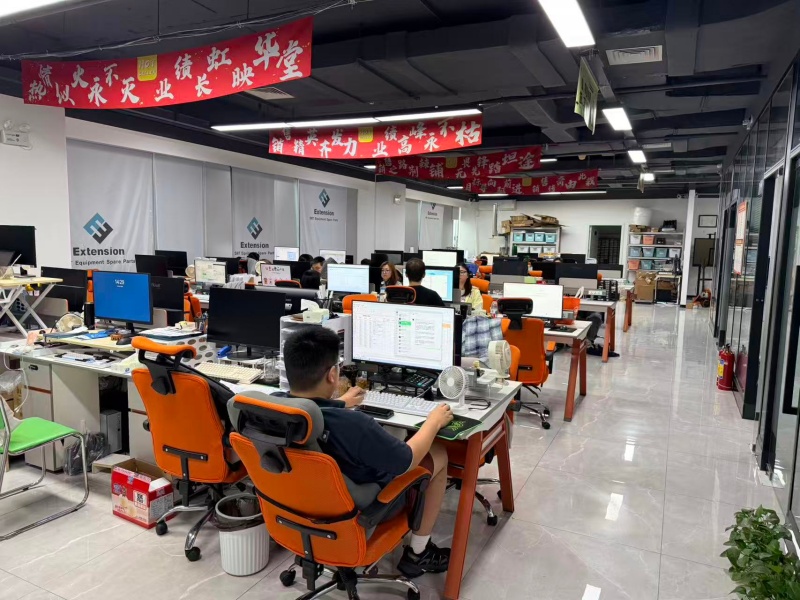
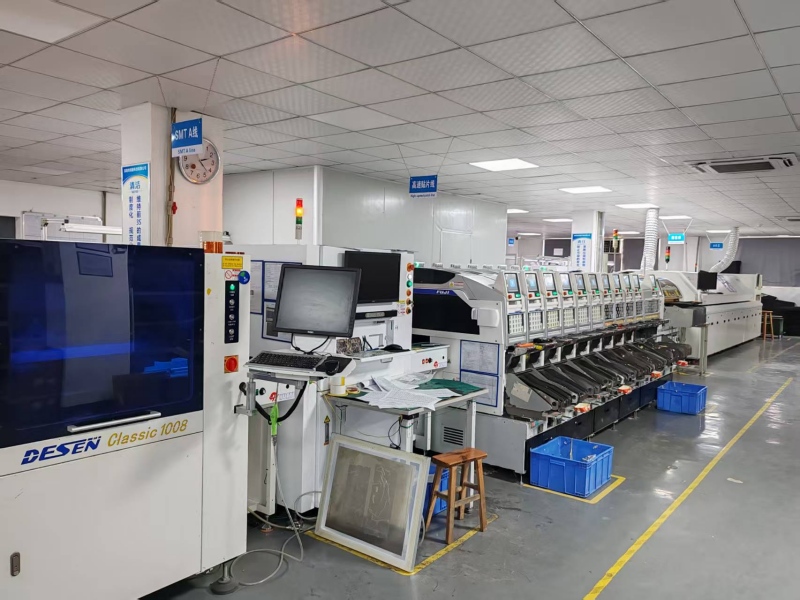
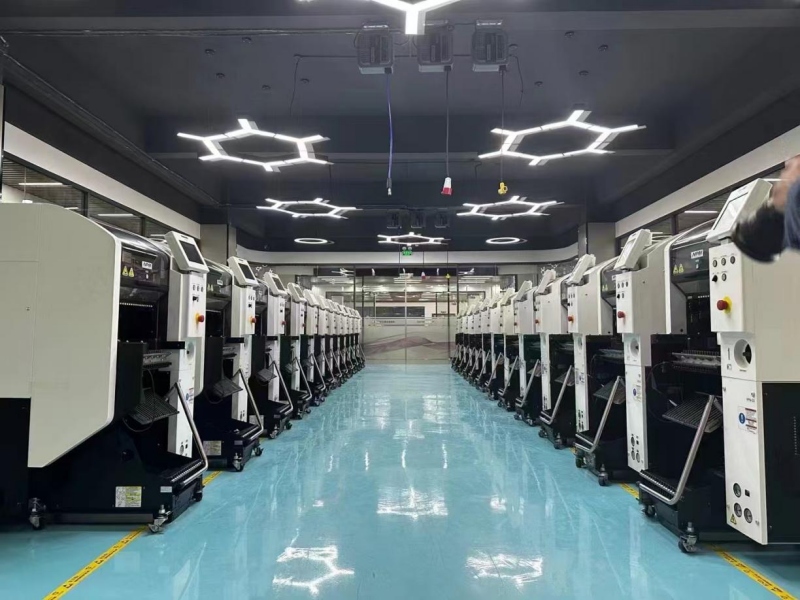
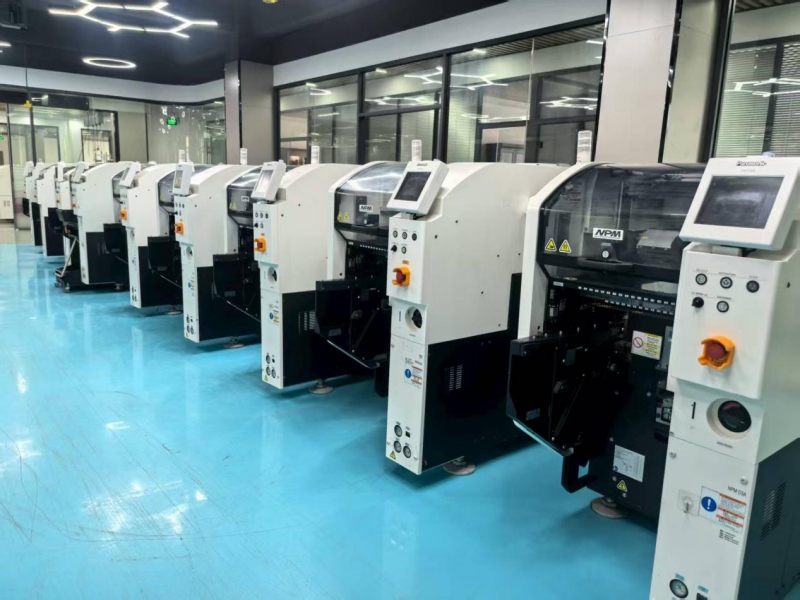
Our Factory
Message
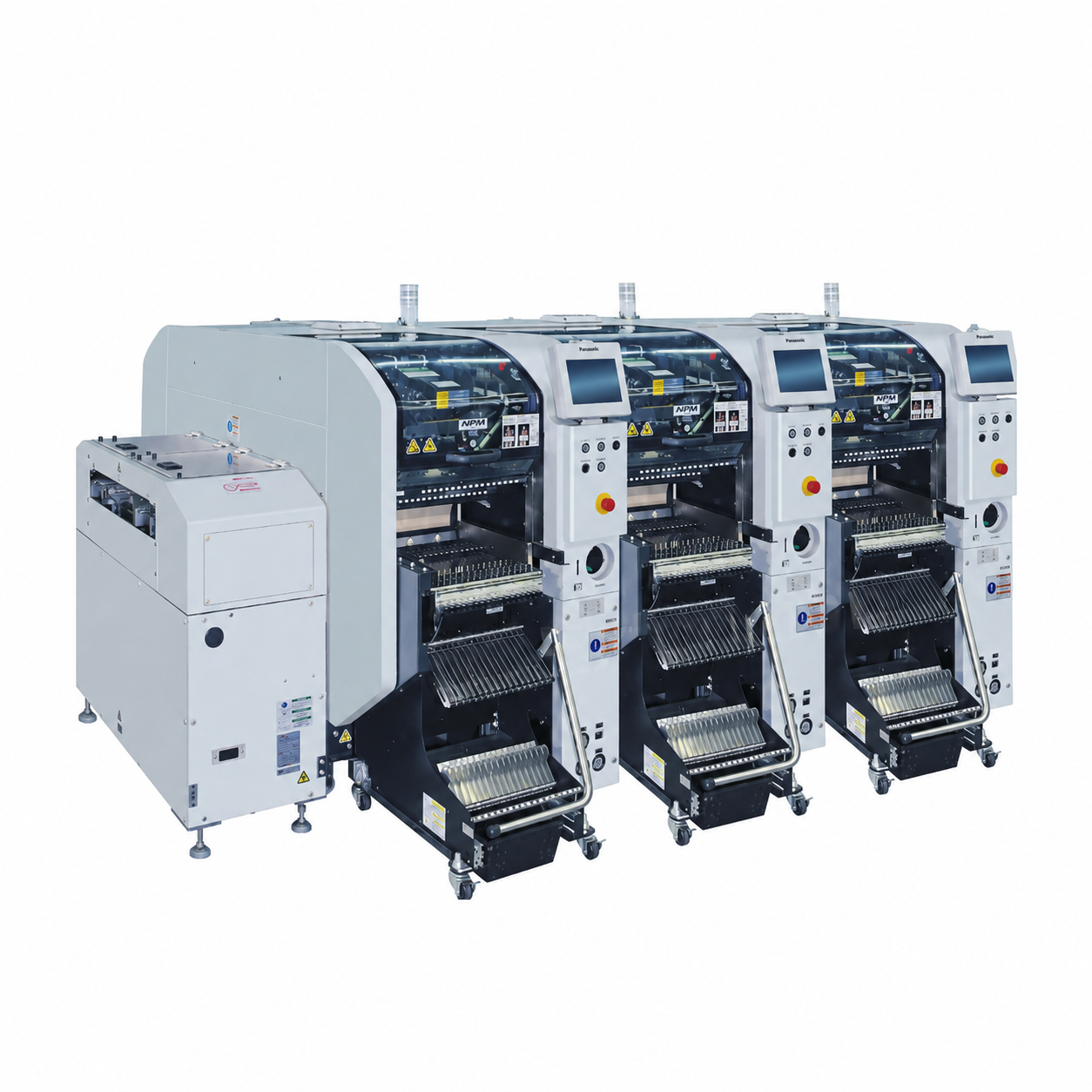
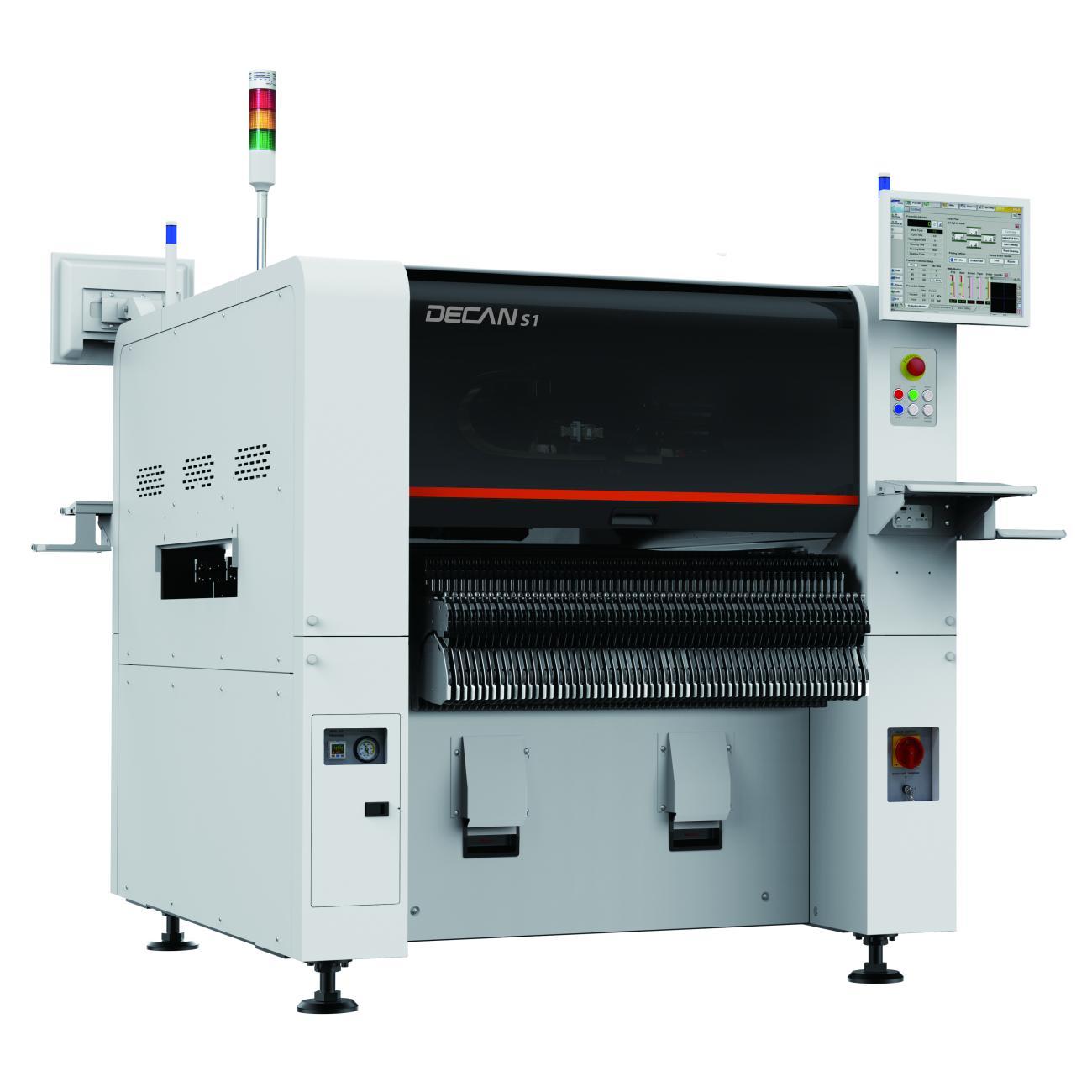
Products Recommended
GET A FREE QUOTE
Simply fill in the information to get a free quote! Our professional team customizes photovoltaic solutions for you, provides accurate quotes, and rejects hidden consumption!
